In This Article
How much will this loan actually cost? Personal loan interest rates affect what you pay to borrow, but the rate alone won’t tell you how much money you’ll receive or repay. Fees and the length of the loan matter, too.
Before you sign, it helps to know how lenders set rates and how to compare written offers. Rates, lending rules, and borrower protections vary by lender and country, so check the terms that apply to your loan.
How personal loan interest rates work
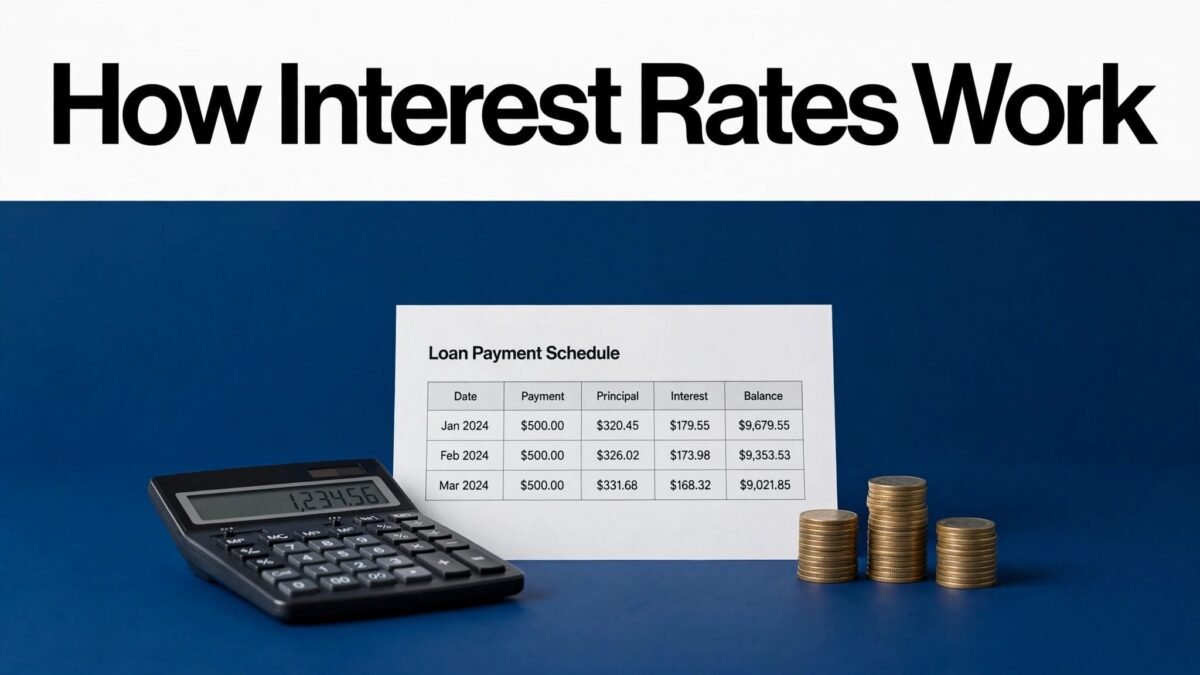
Interest is the price you pay for using borrowed money. On a typical installment loan, you receive a set amount and make scheduled payments that reduce both the amount borrowed, called the principal, and the interest owed.
The payment depends on the loan amount, interest rate, repayment term, and how the lender handles fees. The contract also determines how interest is calculated, so the quoted rate is only one part of the cost.
Personal loan interest rates affect the cost of repaying a balance over time.
How your monthly payment and total interest add up
Suppose you borrow $10,000 at a fixed annual interest rate of 12% and repay it over three years. With monthly amortization and no fees, the estimated payment is $332.14 a month. You’d repay about $11,957 in total, including about $1,957 in interest. These are estimates; rounding and a lender’s calculation method can change the final figures slightly.
At the start, the balance is $10,000, so one month’s interest at a 1% monthly rate is $100. About $232 of the first payment reduces principal. As that balance shrinks, less of each level payment goes toward interest and more goes toward principal.
Your payment can stay the same even while its makeup changes. That’s why multiplying the annual rate by the original balance for every year would overstate the interest on this example loan.
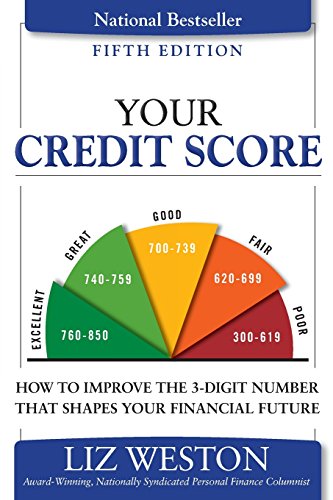
Interest rate versus APR: which number should you compare?
The interest rate describes the charge for borrowing the principal. The annual percentage rate (APR) is a broader yearly measure that includes interest and certain lender fees. An origination fee, for instance, can make the APR higher than the stated interest rate. The Consumer Financial Protection Bureau’s explanation of interest rate and APR sets out that distinction for U.S. borrowers.
APR helps you compare offers, especially when their fees differ. Still, check the cash you’ll receive, the total scheduled payments, and charges the APR may not include. APR disclosure rules and terminology can differ outside the United States.
What determines the rate a lender offers you?
A lender prices a loan based on its assessment of repayment risk and its own lending rules. Two lenders can review the same application and return different offers. Neither a strong application nor an advertised rate guarantees approval or a particular price.
Credit history, income, and existing debt
Lenders may review your credit score and credit history to see how you’ve handled past borrowing. They may also compare your income with your existing debt payments. Together, those details help them judge whether another monthly payment looks manageable.

- TAKE CONTROL OF YOUR FINANCES: Budget Planner PRO combines a spacious, large format, effective budgeting tools, and help…
- SET & ACHIEVE BIG FINANCIAL GOALS: This budget organizer is not just a tool; it’s a framework for achieving your financi…
- EASILY CONTROL YOUR SPENDING, DEBTS & SAVINGS: This money planner is undated and covers 12 months. Every month features …
A stronger credit profile may help you qualify for a lower rate, but each lender sets its criteria. If past credit problems are part of your application, focus on the complete cost of an offer rather than assuming the first approval is your only option. Finance Beacon’s beginner’s guide to managing money explains how payment history and debt fit into a broader financial picture.
A quoted rate isn’t a promise. Your actual offer depends on the lender’s review and the terms you request.
Loan amount, repayment term, and lender rules
The amount you request and the time you take to repay it can affect the rate offered. Lenders also differ in their pricing policies, fees, and eligibility requirements. That makes it useful to compare more than one lender’s written terms.
A longer term often reduces the monthly payment because you spread repayment across more months. However, interest has more time to accrue. For example, at the same hypothetical 12% fixed rate on $10,000, extending repayment from 36 to 60 months would lower the estimated monthly payment from $332.14 to about $222.44. Estimated total interest would rise from about $1,957 to about $3,347, assuming monthly amortization and no fees.
Fixed or variable rates: know what can change
The rate structure tells you whether borrowing costs can move after the loan begins. Fixed-rate personal loans are common, but loan types and protections vary by market. Read the agreement rather than relying on a product name or an initial quote.
A fixed rate keeps payments more predictable.
A fixed interest rate stays the same for the agreed term. If the loan also has level scheduled payments, you can plan around a known monthly amount. That predictability matters when the payment must fit alongside rent, utilities, and other regular expenses.
Fixed doesn’t mean free of other costs. An origination fee can affect what you receive upfront, while late charges may apply if you miss a due date. Check the agreement for those terms even when the interest rate won’t change.
A variable rate can raise or lower borrowing costs.
A variable rate can change according to the loan agreement. Depending on its terms, a change may alter your payment, your total interest, or the time needed to clear the balance. A lower initial rate offers limited comfort if a later increase would strain your budget.
Ask what determines the rate, when it can change, and whether any limits apply. Then check the agreement’s explanation of what happens to your payments if the rate rises. Don’t assume every variable-rate loan follows the same rules.
How to compare personal loan offers before you apply
Compare offers for the same loan amount and repayment term whenever possible. Otherwise, a cheaper-looking payment may reflect more months of borrowing rather than a better deal.
Prequalification may give you an estimated rate before a full application. It isn’t a final offer. Because inquiry practices differ, ask whether prequalification and the formal application each use a soft or hard credit inquiry.
Look beyond the advertised rate and monthly payment.
An advertised low rate may be available only to applicants who meet particular criteria. Compare the rate you actually qualify for, not the largest or brightest number on a lender’s page.
Read each offer across: interest rate, APR, monthly payment, number of payments, and total of payments. If one lender quotes a three-year loan and another quotes a five-year loan, request matching terms before judging their costs. A manageable payment matters, but it shouldn’t hide years of additional interest.
Check fees, proceeds, and the total you will repay.
An origination fee may come out of the loan proceeds. If a hypothetical $10,000 loan carries a $300 fee deducted upfront, you’d receive $9,700 while owing payments based on the $10,000 loan amount. The exact treatment depends on the agreement. The CFPB notes that fees can add to personal installment loan costs.
Put the amount you’ll actually receive beside the total scheduled payments. Then read the contract for late fees and rules on early repayment. Also check whether the loan requires collateral, since pledging an asset changes the risk you take if you can’t pay.
What happens to interest after you take out the loan?
Your repayment schedule assumes you make payments as agreed. Paying late can trigger a fee and may leave interest accruing on a higher balance for longer, depending on the contract. A missed payment may also affect your credit record. If money gets tight, contact the lender before the due date to ask what options are available.
Paying extra toward principal can reduce future interest on a loan where interest accrues on the remaining balance. However, confirm that the lender applies the extra amount to principal and check any prepayment terms first. Some agreements calculate charges differently, so you shouldn’t assume an early payment will save the same amount on every loan.
Keep a copy of your agreement and payment schedule. They show what you agreed to pay and give you something to check against your statements as the balance falls.
Frequently asked questions
Does a lower interest rate always mean a cheaper personal loan?
No. A loan with a lower stated rate could carry a higher origination fee or run for a longer term. Compare APR, the cash you receive, and total scheduled payments for offers with the same amount and term.
Can I know my interest rate before applying?
A prequalification result may show an estimated rate, but the lender can change the offer after reviewing a full application. Ask whether each stage involves a soft or hard credit inquiry, and rely on the written final terms before accepting.
Will my monthly payment fall as my loan balance falls?
On a standard fixed-rate, level-payment installment loan, the scheduled payment stays the same. Over time, its interest portion generally falls and its principal portion rises. Variable-rate terms or a different repayment structure can work differently.
Does paying off a personal loan early save interest?
It can if interest accrues on the outstanding balance, because less principal remains to generate future interest. Review how your lender calculates interest, applies extra payments, and handles early repayment before estimating savings.
Conclusion
Personal loan interest rates shape the cost of borrowing, but they don’t tell the whole story. APR, fees, loan length, and payment terms determine what an offer will cost and whether its payments fit your budget.
Before signing, compare written offers for the same amount and term. Confirm how much cash you’ll receive, what you’ll repay in total, and whether you can manage the payments.