In This Article
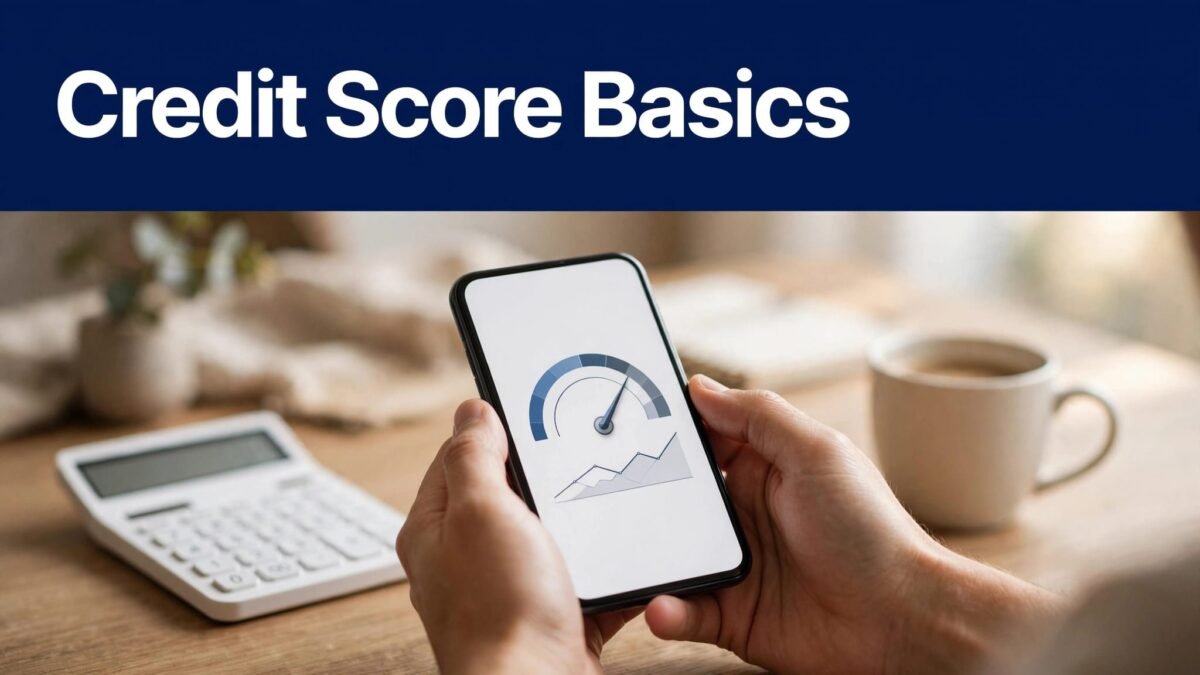
A credit score for a personal loan can affect both your approval odds and the price you pay to borrow. But there is no single score that every lender requires, so a number on its own won’t tell you whether you’ll qualify.
Some lenders consider applicants with scores near 580. A score of 670 or higher may give you more choices and a better chance of competitive terms. Your income, existing debt, and credit history still matter.
The useful starting point is to understand what your score might open up, then compare the offers available to you.
What credit score do you need for a personal loan?
Around 580 is a useful guidepost for some personal loans, not a universal cutoff. U.S. lenders set their own standards. Some consider lower scores, while others expect stronger credit or don’t publish a minimum at all.
A score near 670 is generally considered good credit under common scoring ranges. Around 700 or higher, you may have a wider selection of lenders and more competitive offers. Neither number guarantees approval or a low rate.
How personal loan credit score ranges shape your options
Under commonly used FICO ranges, 580 to 669 is fair, 670 to 739 is good, and 740 to 799 is very good. Those labels help you orient yourself, but lenders may use different scoring models and draw their own lines.
With fair credit, you may find a loan but face fewer choices, a higher APR, or an origination fee. Good credit can expand your options. Very good credit may put you in contention for a lender’s more attractive terms, provided the rest of your application is strong.
Why a minimum score doesn’t guarantee approval
A stated minimum is an initial screen. After that, a lender may review your income, monthly obligations, recent missed payments, and the amount you’re asking to borrow. Its requirements can also change.
The score you see through a free credit service may differ from the one a lender checks. Credit bureaus hold slightly different information, scoring models calculate scores differently, and your balance may have changed since the last update. Treat your displayed score as a guide, not an approval letter.
How your credit score for a personal loan affects rates and costs
A stronger credit profile can improve your chances of approval and influence the amount, term, fees, and rate a lender offers. To compare the price of borrowing, start with the annual percentage rate (APR). It reflects interest plus certain fees, so it can tell you more than the interest rate alone.
For an illustration, consider a $10,000 loan repaid over 36 months with no upfront fees. At a 12% APR, the payment would be about $332 a month, for roughly $11,957 in total payments. At a 24% APR, it would be about $392 a month, or roughly $14,124 in total. These are examples, not rates you can expect to receive.
Look past the monthly payment
A longer repayment term can lower your payment while increasing the total interest you pay. Compare APRs and total repayment amounts for the same loan amount. Check whether an origination fee reduces the cash you receive, and ask whether paying the loan off early would trigger a penalty.
Finance Beacon’s guide to personal loan interest rates offers more detail on rate comparisons. Upstart also explains how to compare APR, fees, and loan terms when offers don’t look alike at first glance.
What lenders may consider besides your score
Lenders also look for evidence that the payment fits your finances. That can include steady income, work history, payment history, and debts you already owe.
Your debt-to-income ratio compares your monthly debt payments with your gross monthly income, before taxes. For example, $1,000 in monthly debt payments against $4,000 in gross monthly income is a 25% ratio. Depending on its rules, a lender may also consider a co-borrower or a secured loan backed by collateral.

Which personal loan lenders may work with different credit scores?
Published lender thresholds are useful for building a shortlist, but they aren’t permanent promises. One lender may weigh income heavily; another may place more emphasis on recent credit problems.
Lender examples to check
Upstart has described considering scores as low as 300, while also saying there is no official minimum in most states. Its lending partners may set their own floors. That makes its current eligibility terms more useful than any single number in a comparison chart.
Avant has described a minimum as low as 550, with many of its customers scoring between 600 and 700. Coverage of Upgrade has cited a 580 minimum. LightStream generally targets borrowers with good-to-excellent credit, but a firm 660 cutoff isn’t established across current coverage. SoFi’s published or reported thresholds can also differ, so check its current terms rather than relying on a fixed figure.
Lender policies, state availability, and individual loan products can change. A lender that appears to fit your score may still decline an application or offer terms you don’t want.
What to expect with fair or poor credit
You may still have options, but compare them with care. A higher APR, an origination fee, a smaller approved amount, or closer income checks can change whether a loan solves your problem.
Before accepting an offer, put its payment beside your rent, groceries, and other debt payments. Borrowing more than your budget supports can leave you worse off, even if you qualify. If your choices are limited, start by comparing lenders willing to review applicants with imperfect credit rather than submitting full applications at random.
Prequalify before choosing where to apply
Prequalification lets you review an estimated offer before committing to a full application. When available, use it with several lenders for the same loan amount and a comparable term. That gives you a clearer view of how each lender prices your application.
A rate check often uses a soft credit inquiry, which doesn’t affect your credit score. For example, Experian says its personal loan rate check uses a soft inquiry. A full application may involve a hard inquiry, which can affect your score. The Consumer Financial Protection Bureau explains how credit inquiries affect your score.
Read the lender’s disclosure before entering your information, since processes differ. A prequalified offer can also change after the lender verifies your income and credit details.
Compare the estimated APR, fees, term, monthly payment, and total repayment cost together. If one offer has a lower payment only because it lasts much longer, decide whether the extra interest fits your reason for borrowing.
How to improve your chances before you apply
If your credit score for a personal loan is near a lender’s threshold, a little preparation may help. Improvements take time, though, and no action guarantees a particular score or approval decision.
Check your reports and reduce balances
Start with your credit reports. Look for accounts you don’t recognize, incorrectly reported late payments, or balances that should have updated. Dispute errors with the credit bureau reporting them.
Next, pay every bill on time and lower credit card balances where you can. Avoid taking on new debt shortly before applying, since another payment may strain your budget and affect a lender’s review. If you can wait, give updated balances and on-time payments a chance to appear in your credit records.
Credit work also fits into a wider plan for managing personal loans and other debt. A better score helps most when the resulting loan payment is affordable.
When a co-borrower or smaller loan may help
A lender that permits co-borrowers may consider both people’s finances. A qualified co-borrower could strengthen an application, but both people share responsibility for repayment. Missed payments can hurt both of their credit records.
Asking for a smaller amount may make the payment easier to manage and reduce the lender’s exposure. Neither approach guarantees approval. Choose the smallest amount that meets your need, and check the payment against your actual monthly budget.
Check the offer before you sign
An approval is only useful if the loan works as expected. Read the agreement for the APR, payment due date, number of payments, late fees, and any prepayment penalty. Confirm whether the rate is fixed, so you know what will happen to your payment over the term.
Pay close attention to an origination fee. If a lender deducts it from the proceeds, you may receive less than the face value of the loan while still owing the full amount. Make sure the cash you receive covers your intended expense before you agree.
Finally, check any conditions attached to a quoted rate, such as an automatic-payment discount. Compare the final agreement with the offer you reviewed during prequalification. If the cost or payment has changed, pause and compare your other options.
Conclusion
There is no universal minimum credit score for a personal loan. Around 580 may open some doors, while 670 or higher can improve your choices. Income, debt, and the details of your credit history still shape the result.
Review your credit before applying, then compare APRs, fees, and total repayment costs. Prequalify where you can, and borrow only an amount whose payment fits your budget.
The score matters, but the loan you can comfortably repay matters more.