In This Article
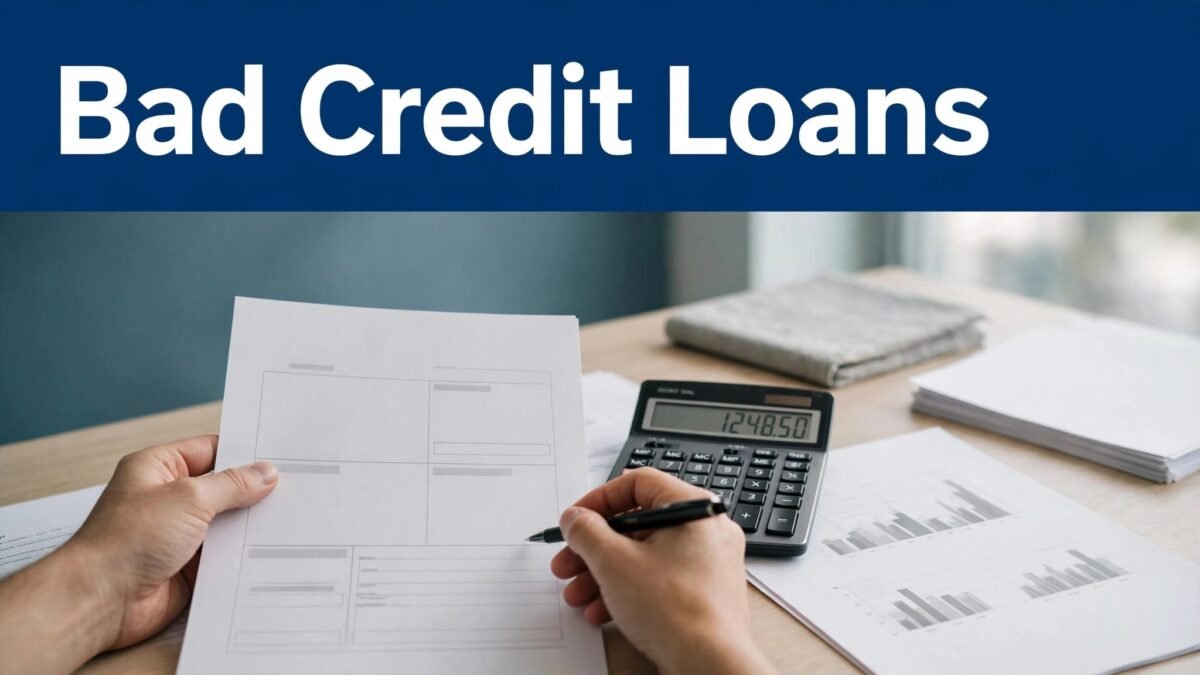
A personal loan with bad credit can be available, but approval often comes with higher rates, tighter terms, or a smaller loan amount. Before signing anything, check your finances, compare lenders, review APR and fees, and consider whether a secured loan or cosigner changes the picture.
Loan rules, availability, rates, and consumer protections vary by country and lender. A careful application process can help you avoid borrowing more than your budget can carry or falling for a predatory offer.
Key Takeaways
- Review your credit reports, income, monthly debts, and budget before applying.
- Compare prequalified offers by APR, fees, net proceeds, and total repayment, not the payment alone.
- A cosigner or collateral may improve an offer, but both create serious financial risk.
- Avoid lenders that promise guaranteed approval, demand money upfront, or hide their disclosures.
- Only accept a loan payment that fits after your essential monthly bills.
How to Get a Personal Loan With Bad Credit: Start With Your Finances
Begin with the number you need, not the largest amount a lender may offer. Pull your credit reports and look for wrong balances, duplicate accounts, or payments incorrectly marked late. In the US, AnnualCreditReport.com is the centralized source for free credit reports. Elsewhere, check with your country’s credit bureaus or financial regulator.
Next, list your income and fixed obligations. Your debt-to-income ratio, often called DTI, is your total monthly debt payments divided by your gross monthly income. Include housing, car loans, credit card minimums, student loans, and any proposed loan payment.
A simple budget shows whether a new payment leaves room for food, utilities, insurance, and unexpected costs. Use this budgeting guide for beginners if you need a practical starting point.
Borrowing less often lowers the payment and total interest. A shorter term can also reduce total interest, although it usually raises the monthly payment.
What Credit Score Do You Need for a Bad-Credit Loan?
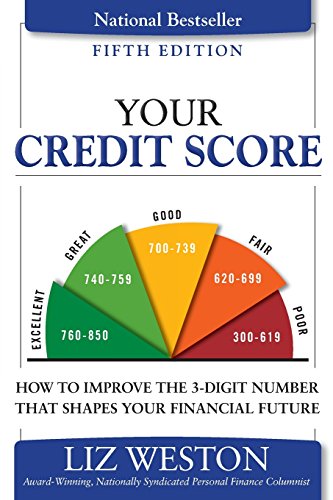
There is no universal score cutoff. Some lenders may consider applicants with scores around 550 or lower, while others place more weight on income, work history, recent payment behavior, or alternative data.
Bad credit differs from a thin credit file. Bad credit usually reflects missed payments, defaults, or heavy debt. A thin file means a lender has limited borrowing history to review.
Lender standards change, and no score guarantees approval. Please correct any inaccurate report information before applying, as errors can affect both eligibility and pricing.
Prequalify Before You Submit a Full Application
Prequalification gives you an estimated offer based on limited information. It commonly uses a soft credit inquiry, which does not affect your credit score.
A formal application usually triggers a hard inquiry. That inquiry may affect your score, particularly if you submit many applications within a short period.
Ask each lender which credit assessment it uses. Compare several prequalified offers first, then submit a full application only when you have found a payment and loan structure you can afford.
Compare Bad-Credit Personal Loan Offers by Total Cost
The advertised interest rate tells only part of the story. Annual percentage rate, or APR, captures the yearly cost of borrowing and can include interest plus certain lender fees. Check whether the rate is fixed or variable, since a variable rate may change your payment later.
Comparing a personal loan with bad credit means looking beyond the monthly payment.
For example, a $5,000 loan at 30% APR over 24 months has an estimated payment of about $280 and total payments near $6,708. Stretching that same loan over 36 months drops the payment to roughly $212, yet total payments rise to about $7,636.
Rates near the upper end of common personal-loan ranges can make borrowing expensive. APRs near or above 36% deserve especially close scrutiny.
Where to Look for a Personal Loan With Bad Credit
Online lenders, credit unions, community banks, and lenders with local branches all offer different tradeoffs. Some online lenders consider factors beyond a conventional credit score. Credit unions may offer member-focused products, although membership is often required.
Compare each lender’s stated minimum score, APR range, loan size, term length, origination fee, late fee, and secured-loan availability. For context, recent listings have shown lenders such as Avant with reported minimum scores around 550, loan amounts starting around $2,000, and APRs reaching 35.99%. Please verify all current terms directly, as disclosures can change.
A bad-credit lender comparison can help identify the details worth checking, but it should never replace reading the lender’s own agreement.
Read the Fine Print Before Accepting the Money
Confirm the amount that will reach your account, the total repayment amount, payment due date, autopay rules, and late-payment consequences. Please also verify if early repayment incurs a fee.
An origination fee may come out of the proceeds. On a $5,000 loan with a 5% origination fee, the lender deducts $250, leaving you with $4,750, while you may still repay the full $5,000 principal plus interest.
Save the agreement before accepting funds. A legitimate lender clearly identifies its legal name, contact information, loan disclosures, and complaint process.
Consider Safer Alternatives When Approval Comes at a High Price
An expensive unsecured loan isn’t always the best answer. Depending on the expense, borrowing less, delaying a nonessential purchase, or negotiating a payment plan directly with a medical provider, utility company, or landlord may create less long-term pressure.
Some credit unions offer small-dollar loans, and local community programs may provide emergency assistance. These options are not automatic solutions, so compare their costs, eligibility rules, and repayment terms as carefully as you would any loan.
When a Cosigner or Secured Loan May Help
A cosigner with stronger credit may help an applicant qualify or receive better pricing. However, the cosigner is equally responsible for the debt. A missed payment can damage both credit profiles and strain a personal relationship.
A secured loan requires collateral, which is an asset the lender can claim if the borrower defaults. Depending on the lender, collateral could include a vehicle or savings account.
Compare the possible rate improvement against the risk of losing the asset or harming a cosigner’s credit. Neither option is automatically safer.
Why Payday Loans and Guaranteed Approval Ads Are Risky
Payday loans can carry triple-digit APRs and often don’t build credit because lenders generally do not report timely payments to the major credit bureaus. Still, an unpaid balance may go to collections or lead to a court judgment, both of which can harm credit.
Treat guaranteed approval promises as a warning sign. Legitimate lenders review an applicant’s situation before approving a loan. The New York Department of Financial Services warns about predatory loan scams, including offers that demand processing, insurance, or application fees before releasing money.
Do not pay an upfront fee to secure a loan. The FTC explains common advance-fee loan scam tactics, including false promises of credit that never arrives.
Build a Repayment Plan Before You Take Out the Loan
Test the payment against a normal month, not an optimistic one. After housing, food, utilities, insurance, transportation, and existing debt payments, the loan should still leave enough room for irregular expenses.
Set up autopay only after confirming that the linked account can cover the payment on every due date. Missed payments can add fees and further damage your credit history. If trouble appears, contact the lender early to ask about available options.
On-time payments may support future credit improvement, but repayment alone does not guarantee a higher score. If you are already managing several balances, compare the debt snowball and debt avalanche methods before using a new loan to consolidate debt.

- Achieve Financial Mastery & Goals – master home finance, boost savings, and manage cash flow seamlessly with Clever Fox …
- Maximize Financial Goals – This large bill tracker notebook is more than a tool—it’s your strategy for financial success…
- Effortlessly Manage Spending, Debts, and Savings – This 12-month finance planner features an undated format with monthly…
A Simple Checklist for Applying With Bad Credit
Use this short process to keep the application focused:
- Review credit reports and dispute inaccurate information.
- Please confirm your income and monthly debt obligations.
- Set a borrowing limit based on an affordable payment.
- Prequalify with several lenders when possible.
- Compare APR, fees, term length, and net proceeds.
- Verify the lender’s identity and disclosures.
- Read the agreement before accepting funds.
- Keep copies of applications, offers, and loan documents.
A lower payment is only beneficial when the longer repayment period does not add more interest than your budget can justify.
Frequently Asked Questions
How much can I borrow with poor credit?
The amount depends on your income, existing debts, credit history, lender rules, and whether you provide collateral or a cosigner. Approval for a large amount may still be unwise if the payment leaves little room in your budget.
Can I use a personal loan for rent or utility bills?
Some lenders allow broad uses, including household bills, but their agreements may restrict certain purposes. A loan can cover a short-term gap, yet using long-term debt for recurring expenses may create a larger problem when the next bill arrives.
What documents do lenders usually request?
Many lenders ask for government-issued identification, proof of income, bank account details, and proof of address. Self-employed applicants may need tax returns, bank statements, or other records that show regular income.
Can I cancel a loan after accepting it?
Cancellation rights depend on the lender, loan agreement, and local law. Please reach out to the lender promptly if you change your mind, and confirm the necessary steps before assuming that returning the funds ends the contract.
Are personal loans available outside the United States?
Yes, but products, credit-reporting systems, pricing rules, and consumer protections vary widely by country. Check local banks, credit unions, regulated lenders, and financial authorities before sharing personal or banking information.
Conclusion
Getting a personal loan with bad credit starts with an honest look at your income, debts, credit reports, and monthly budget. Compare prequalified offers by full APR, fees, net proceeds, and total repayment before you accept any money.
A smaller loan, a secured option, a cosigner, or a nonloan alternative may be safer than an offer with a punishing rate. Start by reviewing your credit reports and calculating a payment that your budget can carry every month.