In This Article
“Why Is Inflation Rising or Falling? What Consumers Need to Know” matters whenever your grocery cart, rent payment, gas bill, or savings balance feels different from last year. The inflation rate affects purchasing power, debt costs, wages, and the everyday services that fill a household budget.
Prices don’t move for one reason. Demand, supply limits, business costs, energy markets, and interest rates can all affect prices in different ways. Knowing how they fit together makes monthly headlines far less confusing.
Key Takeaways
- Inflation measures broad price changes, not the cost of one item or one store.
- A lower inflation rate means prices are rising more slowly. It does not mean prices have returned to earlier levels.
- The August 2026 Consumer Price Index showed annual inflation of 3.4%, while core inflation was 2.4%.
- Housing, food, fuel, and service costs can make your personal experience differ sharply from the national average.
- Reviewing your spending gives you a clearer picture than reacting to one monthly report.
Why Is Inflation Rising or Falling? What Consumers Need to Know
Inflation is a broad increase in prices over time. When the inflation rate falls, prices may still rise, only at a slower pace. Deflation is different because it means prices across the economy are falling.
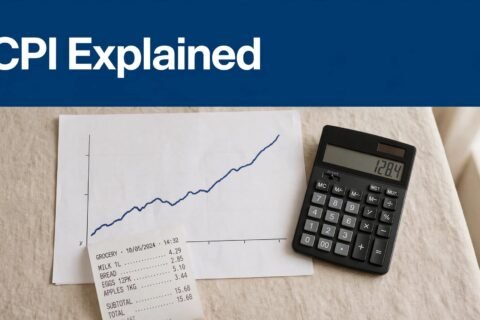
In the United States, the Bureau of Labor Statistics, or BLS, tracks consumer prices through the Consumer Price Index for All Urban Consumers, known as CPI-U. The commonly reported annual figure compares prices with the same month one year earlier. A more profound look at personal finance basics can help put those price changes into the wider context of saving, borrowing, and budgeting.
Headline and Core Inflation Tell Different Stories
Headline inflation includes major spending categories, including food and energy. Core inflation removes food and energy because those prices can jump or fall quickly due to weather, harvests, oil markets, or refinery disruptions.
That distinction matters at the checkout line. A household may feel sharp pressure from gasoline and groceries even when core inflation looks calmer. The Federal Reserve watches core measures because they can reveal more persistent price pressure, but food and fuel remain essential costs for most families.

What the Latest Data Can and Cannot Tell You
The BLS August 2026 CPI release reported that CPI-U rose 0.4% during the month and 3.4% over the prior 12 months. Core CPI rose 0.3% in August and 2.4% over the year. Food prices were 2.7% higher than a year earlier.
The Bureau of Economic Analysis, or BEA, publishes the Personal Consumption Expenditures Price Index, which the Federal Reserve uses for its longer-run 2% inflation goal. The BEA’s PCE price index is a separate measure with different spending weights and coverage. Neither CPI nor PCE can match every household’s bills because renters, homeowners, commuters, retirees, and parents buy different things.
What Moves the Inflation Rate Up or Down
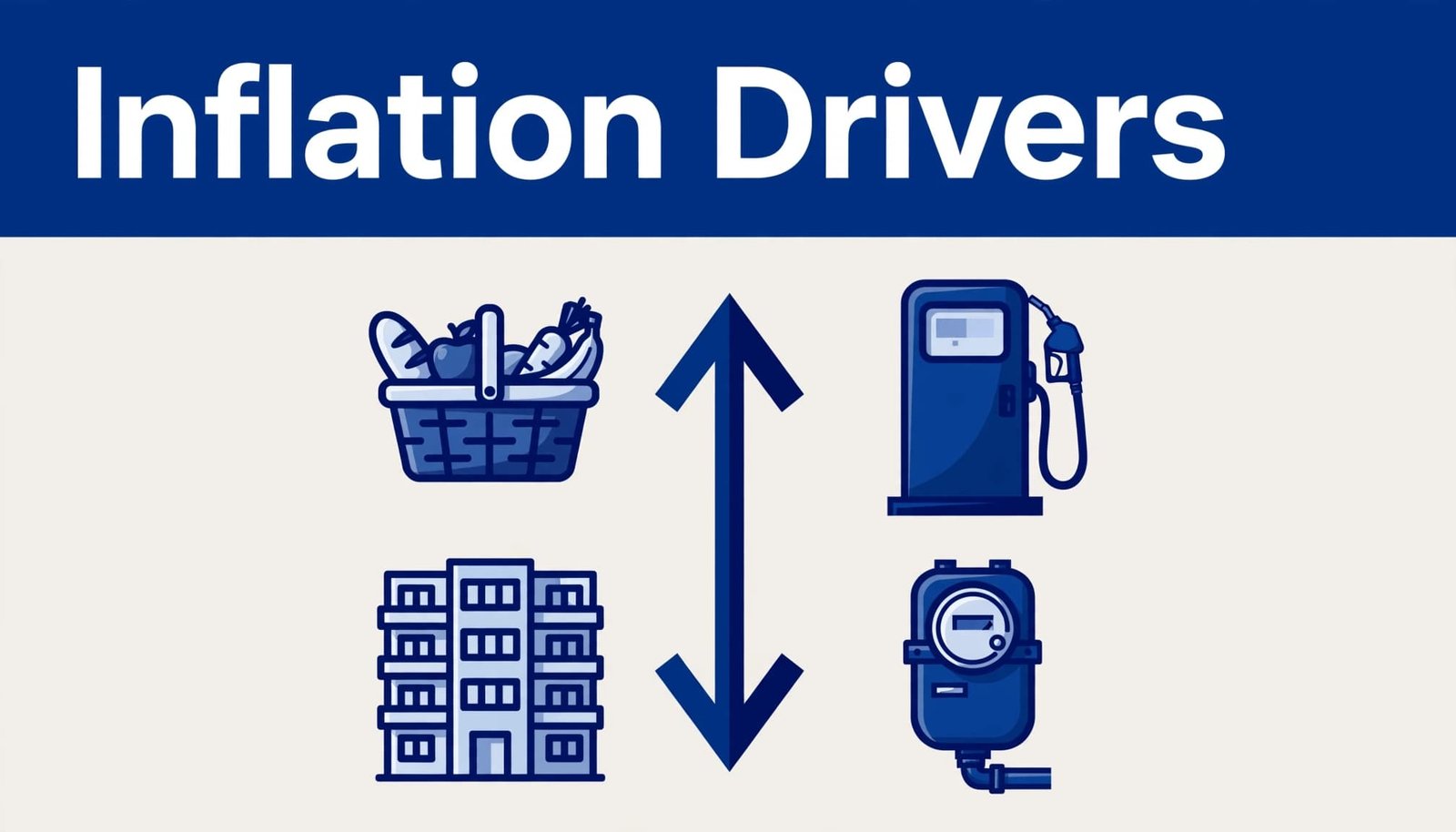
Inflation rises when more money chases limited goods and services or when it becomes pricier to produce and deliver them. It cools when supply improves, demand slows, energy costs decline, or borrowing becomes less attractive.
Demand, Wages, and Business Pricing Power
Demand-pull inflation can develop when households, businesses, and governments want to buy more than the economy can produce quickly. A restaurant with full tables and limited staff may raise menu prices because ingredients, wages, and space are all in demand.
Wage growth can support household spending, which is beneficial for workers. Yet labor-intensive businesses, including health care providers, retailers, and restaurants, may also face higher payroll costs. Wages alone don’t determine inflation. Productivity gains, available workers, supply capacity, and competition shape whether businesses can pass costs on to customers.
Supply Chains, Food, Energy, and Exchange Rates
Factory delays, shipping bottlenecks, droughts, poor harvests, and material shortages can raise the cost of everyday goods. A weaker domestic currency can also make imported fuel, equipment, and ingredients pricier.
Energy often moves headline inflation quickly. Gasoline rose in August and helped lift the monthly CPI reading, while food prices also increased over the year. Those moves can reverse, so one report doesn’t establish a permanent trend. Oil’s path depends on production, transport, global demand, and geopolitical risk, all of which can affect household fuel costs.
Housing Costs Can Keep Inflation Sticky
Rent and other shelter costs tend to change more slowly than gasoline or many retail goods. A renter may face a higher payment only when a lease renews, while a homeowner’s housing costs can be shaped by mortgage terms, insurance, taxes, and repairs.
Official shelter measures can also lag new lease prices. New listings might soften in one city while the CPI still reflects leases signed months earlier. That delay can keep the overall inflation rate elevated after a supply shock has faded.
How Interest Rates and Inflation Expectations Affect Prices
The Federal Open Market Committee sets a target range for the federal funds rate, the overnight rate at which banks lend reserve balances to one another. The Federal Reserve uses this tool to pursue maximum employment and inflation near its 2% longer-run goal.
When rates rise, mortgages, auto loans, credit card balances, and business financing can become pricier. That can reduce borrowing and spending over time. However, the federal funds rate isn’t the same as the interest rate a bank offers on a savings account or charges on a loan.
Why Inflation May Fall Slowly Even After Rates Rise
Rate changes take time to spread through the economy. Existing fixed-rate mortgages don’t reset immediately, leases remain in force, and businesses may have contracts that lock in input costs for months.
Price decisions also take time. Companies may wait to see whether demand weakens before changing prices, while wage agreements can hold labor costs steady. For that reason, falling inflation often looks gradual rather than dramatic.
A slower rise in prices can still feel painful when the price level is already far above what a household paid several years ago.
What Falling Inflation Means for Your Money
Lower inflation can make household planning easier because prices become less unpredictable. Still, it doesn’t automatically cut rent, insurance, food, or service bills. Those prices may remain high even if they stop climbing as fast.
Real wages improve when pay rises faster than consumer prices. Savings yields can help offset inflation, although returns vary by account and provider. Fixed-rate debt stays predictable, while variable-rate debt may become more or less expensive as lenders change rates.
How Consumers Can Respond When Prices Keep Changing
A national inflation report is useful context, but your owyourng record is more useful for decisions at home. Compare recurring bills before switching providers, keep an emergency fund available, and review variable-rate debt before a payment increase catches you off guard.
A framework such as the 50/30/20 approach can help separate essentials, flexible spending, savings, and debt repayment. Avoid rushed changes based on one monthly number. Financial products, tax rules, rates, and consumer protections vary by country and provider.
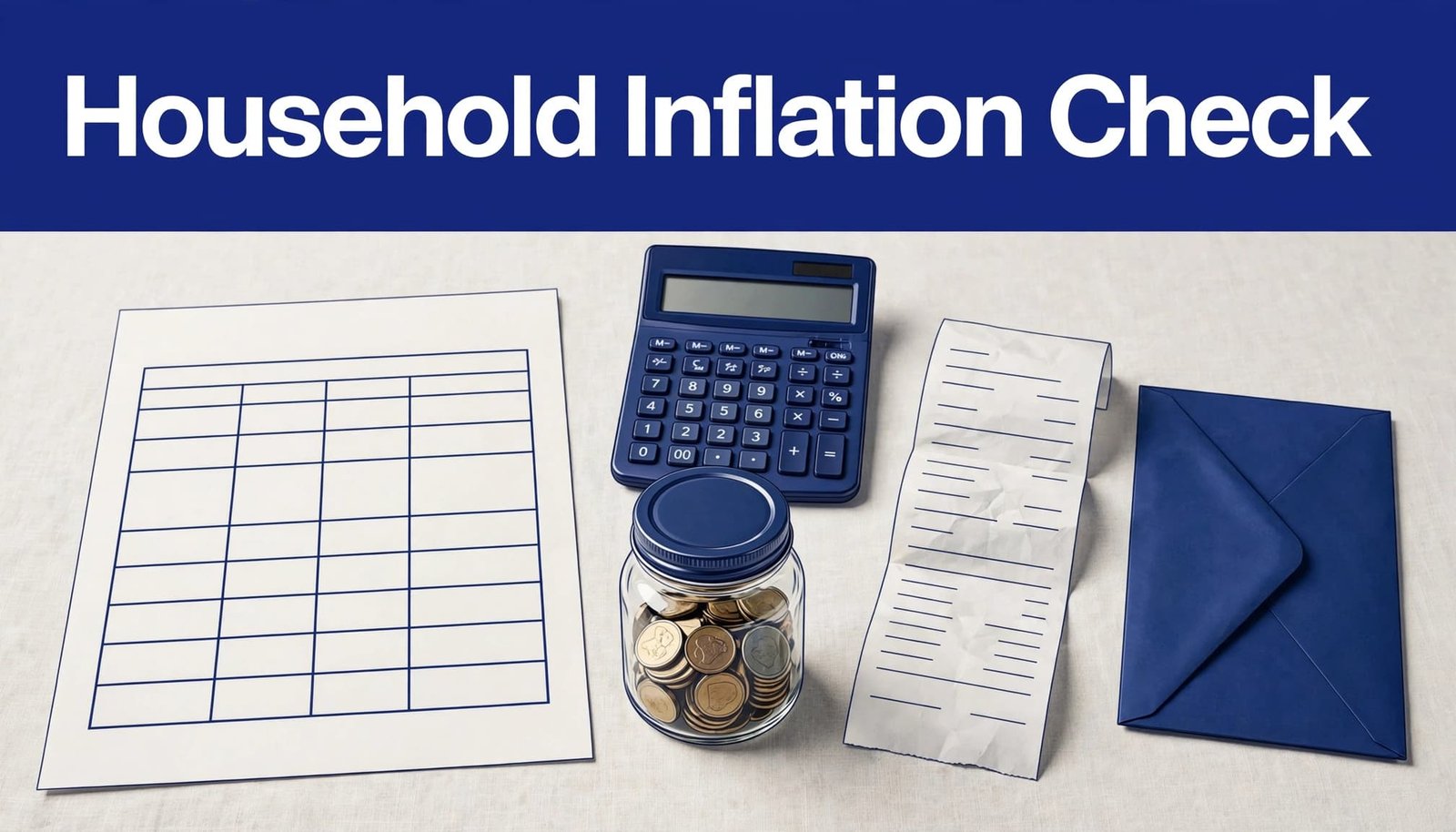
A Simple Household Inflation Check
Review the costs that take the largest share of your income:
- Compare grocery, housing, transportation, insurance, and utility costs with the same period last year.
- Separate unavoidable needs from spending you can adjust if prices rise.
- Set wage or income changes beside the bills that increased.
- Check whether savings earn a competitive rate for that account type and risk level.
Your personal inflation rate may be higher than CPI if rent and commuting dominate your budget. It may be lower if you spend less on categories that rose quickly.
Common Mistakes When Reading Inflation News
Don’t confuse a monthly change with a 12-month change. A 0.4% increase in one month and a 3.4% annual increase describe different time frames.
It is also risky to treat one category as the whole economy. Core inflation doesn’t dismiss household concerns, and lower inflation doesn’t mean lower prices. Check official BLS and Federal Reserve releases, then watch several months of data before changing financial plans.
Frequently Asked Questions
Can inflation fall below zero?
Yes. A negative annual inflation rate means broad consumer prices are lower than they were a year earlier, which is deflation. A short decline in gasoline or clothing prices alone does not mean the economy has entered deflation.
Does CPI include mortgage payments?
CPI does not directly use home purchase prices or mortgage principal payments as a consumer expense. It measures shelter costs through rent and an estimate of what homeowners would pay to rent a similar home.
Why does the Federal Reserve prefer PCE inflation?
PCE covers a broader range of spending and adjusts as consumers shift between goods and services. CPI remains valuable because it provides a detailed, familiar view of many household expenses.
Can savings keep up with inflation?
That depends on the account’s annual percentage yield, taxes, and the inflation rate. Compare the return after tax with rising living expenses, while keeping emergency savings accessible and low risk.
Should I pay off variable-rate debt when inflation rises?
High-interest variable-rate debt can become harder to manage if lenders raise rates. Review the interest rate, required payment, emergency savings, and any repayment penalties before deciding how much to pay down.
Keep the Inflation Rate in Perspective
Inflation rises when demand, supply limits, costs, or expectations push prices higher. It falls when those pressures ease or when demand slows, but lower inflation rarely restores old price levels.
“Why Is Inflation Rising or Falling? What Consumers Need to Know” starts with one practical habit: review your budget alongside official data. Your spending mix determines how inflation feels in daily life.
Conclusion
Understanding why inflation rises or falls helps you make informed decisions about your money. Changes in consumer demand, supply chains, energy prices, housing costs, and interest rates all influence inflation. When inflation slows, prices generally continue rising, but at a slower pace.
Rather than relying solely on national inflation figures, examine how changing prices affect your household. Review your budget, compare essential expenses, manage high-interest debt, and protect your emergency savings. Monitor official inflation reports to understand broader economic trends without making rushed financial decisions.
The key is to focus on what you control. By tracking your spending, adjusting your financial plans, and making informed saving and borrowing decisions, you put yourself in a stronger position to manage inflation and protect your purchasing power.