In This Article
Many people choose investments by their possible returns before asking whether the losses would be manageable. That mistake can leave a portfolio feeling unbearable at the first market drop. Investment risk should fit the purpose of your money, not a headline, a friend’s gains, or a social media trend.
Your right risk level depends on your goal, deadline, financial cushion, and comfort with market swings. This guide offers an educational framework for beginners and retirement investors, not individualized financial advice.
Key Takeaways
- A suitable portfolio fits both your willingness to accept losses and your financial ability to absorb them.
- Money needed soon usually needs more stability than money intended for retirement decades away.
- Diversification, rebalancing, emergency savings, and a withdrawal plan can help keep risk aligned with your goals.
- No portfolio removes uncertainty, but a written plan can keep temporary market moves from becoming permanent decisions.
Investment Risk Explained: How Much Risk Should You Take?
Investment risk is the chance that an investment loses value, produces less income than expected, or fails to fund a goal when you need the money. Every investment carries risk. Stocks can fall sharply, bonds can lose value, mutual funds can decline, and cash can lose purchasing power when inflation rises.
Volatility describes how widely and quickly prices move. A temporary stock-market decline can be volatile without becoming a permanent loss, provided you can hold through it. Permanent loss occurs when you sell at a deep loss, own a failed company, or fall so far behind inflation that a goal becomes unreachable.

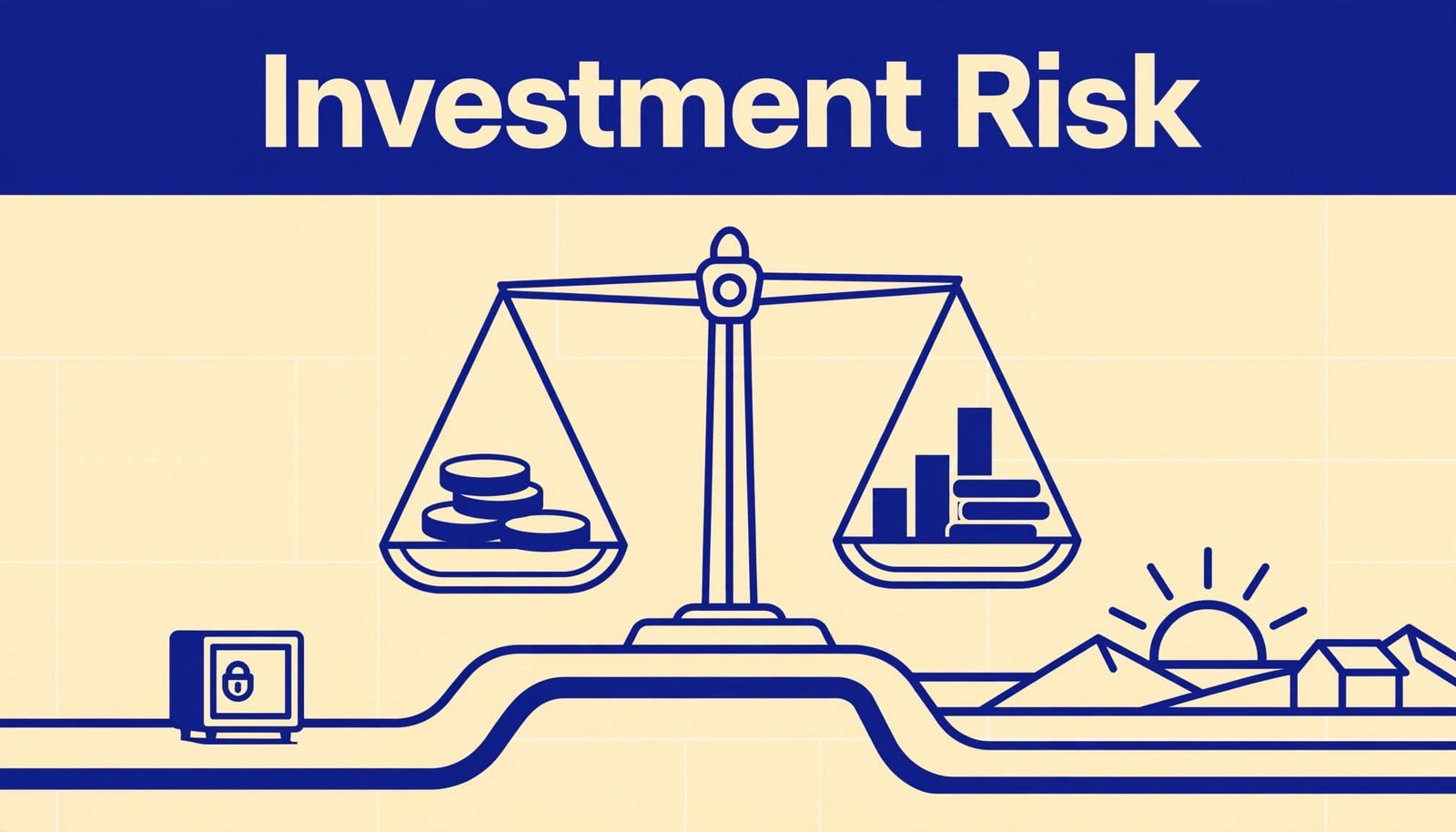
Your risk tolerance is how much loss you are willing to endure. Risk capacity is how much loss your finances can withstand without harming essential plans. The SEC’s asset allocation guidance ties investment mix to time horizon and risk tolerance, while FINRA also encourages investors to consider goals and investment mix.
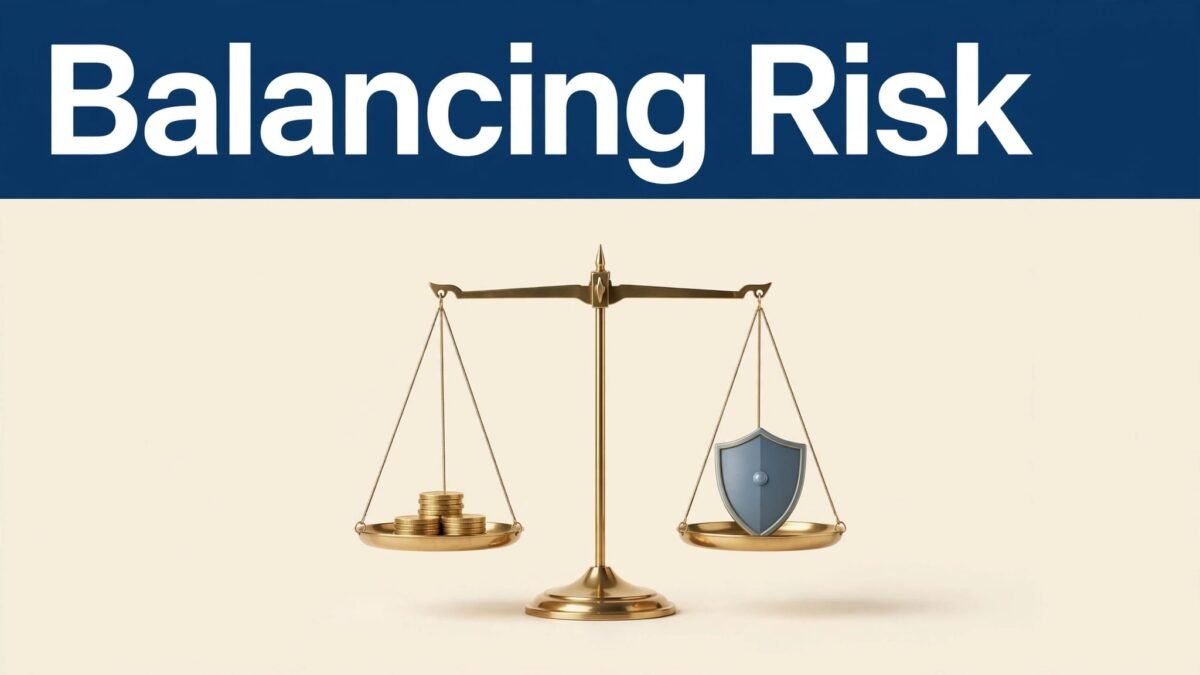
A portfolio must match both tolerance and capacity.
The Four Questions That Reveal Your Risk Profile
Start with four questions: What is the money for? When will you need it? How much loss could your overall plan absorb? How would you react to a major decline?
A beginner saving for a home purchase in three years may need stability because a market loss could delay the down payment. A worker investing for retirement 30 years away has more recovery time, yet may still panic during a sharp sell-off. In contrast, someone comfortable with volatility may lack the savings cushion to take large risks.
Why Your Time Horizon Matters More Than Your Age
The same person can need different risk levels for different goals. Money for next year’s tuition has little time to recover from a downturn. Retirement savings intended for decades from now may have more time to ride through market cycles.
Age adds useful context, but simple formulas such as subtracting your age from 100 miss too much. Consider the date you expect withdrawals to begin, how long retirement may last, dependable income sources, and whether the portfolio still needs growth after retirement starts.
How to Choose a Risk Level for Your Goals
Conservative, moderate, and aggressive describe broad approaches, not promises or fixed formulas. A conservative portfolio often prioritizes stability and near-term access. An aggressive portfolio usually holds more assets with growth potential, but it can fall harder during a bear market.
For example, a portfolio with a larger stock allocation may build more value over a long period if markets perform well. However, it may also lose a substantial amount over a short period. Judge that possibility against your deadline, not your neighbor’s returns.

Stocks, Bonds, and Cash Each Solve a Different Problem
Stocks offer ownership in companies and greater long-term growth potential, but their prices can move sharply. Bonds may provide income and can add stability, although they still face interest rate, credit, and inflation risk.
Cash and cash equivalents can protect money needed soon and make spending needs easier to meet. Still, cash may buy less over time if inflation outpaces its return. Many retirement investors need a mix because holding only stocks or only cash creates a different set of risks.
Build a Portfolio With Asset Allocation and Diversification
Asset allocation means dividing investments among stocks, bonds, and cash. The SEC’s definition of asset allocation focuses on those major categories.
Diversification spreads money across companies, industries, regions, and asset types. It can reduce concentration risk, but it cannot guarantee a profit or prevent losses. Learn more about how to diversify your investment portfolio before putting too much money in one company or sector.
Broad funds can make diversification easier than selecting many individual securities. If you are deciding between common fund structures, compare index funds versus ETFs before buying.
Match the Portfolio to Your Emergency Fund and Debt
Emergency savings are separate from a retirement portfolio. A cash reserve can reduce the chance that you must sell long-term investments after a job loss, car repair, or medical bill.
The appropriate reserve depends on your expenses, income stability, and household circumstances. High-interest debt can also change your risk capacity because costly payments leave less room for a market setback. Building stronger personal finance basics may come before taking more market risk.
Manage Investment Risk Without Chasing Every Market Move
Managing risk doesn’t mean predicting the next decline or avoiding every loss. It means keeping your investments, cash needs, and behavior aligned with the plan you made before markets became stressful.
For a practical starting point on purchasing shares and funds, review how to invest in stocks for beginners. Then focus on habits that reduce avoidable mistakes.
Rebalance Before Your Portfolio Drifts Too Far
Rebalancing restores your portfolio to its target mix after market moves change the percentages. If stocks rise faster than bonds, they can become a larger share of the portfolio than you intended.
Selling some of what grew and adding to what fell can feel uncomfortable. Yet it may bring risk back toward your original plan. Some investors review on a calendar schedule, while others act after an allocation moves beyond a chosen threshold. Consider taxes, transaction costs, and account type before making changes.
Retirement Investors Must Plan for Withdrawals and Bad Timing
Large losses early in retirement can hurt more when withdrawals force you to sell investments at depressed prices. This is often called sequence of returns risk. Your plan should account for dependable income, spending needs, taxes, inflation, portfolio longevity, and the number of years your money may need to last.
Moving everything into cash can increase inflation and longevity risk. Staying fully invested can expose near-term withdrawals to severe market swings. A written withdrawal plan and professional guidance can help with complex retirement decisions.
Avoid the Most Common Risk-Management Mistakes
Avoid investing money needed soon, concentrating on one stock or sector, and mistaking a recent winning streak for safety. Panic selling can turn a temporary decline into a permanent loss, while ignoring fees and taxes can weaken long-term results.
Also, do not assume brokerage protection covers market losses. SIPC protection rules may apply when a SIPC-member firm fails, subject to its rules and limits. They do not protect an investment that falls in value. Verify that firms and professionals are registered, and treat guaranteed-return claims as a warning sign.
A portfolio that looks sensible in a calm market may still be too risky if you would need to sell it during a personal financial emergency.
Frequently Asked Questions
Can I change my risk level after building a portfolio?
Yes. Risk level should change when your goals, timeline, income, debt, or financial responsibilities change. Review the reason for the adjustment first, rather than reacting to a single week of market news.
Is a diversified fund automatically low risk?
No. A diversified fund can still hold mostly stocks, bonds with credit risk, or assets that move sharply in difficult markets. Diversification reduces the damage from any one holding, but the fund’s asset mix still determines much of its risk.
How often should I review my investment plan?
A regular annual review can help, and major life events may justify another look. Frequent checking can encourage emotional decisions, especially when markets are unsettled.
What should I do if a market decline makes me panic?
Pause before selling and compare the decline with your actual time horizon and cash needs. If the portfolio is genuinely too risky for you to hold, adjust it through a deliberate plan instead of an impulsive trade.
Does a retirement account make an investment less risky?
A retirement account may provide tax advantages, depending on your country and account type. However, it does not change the market risk of the investments held inside it.
A Risk Level You Can Live With
The right amount of investment risk supports a specific goal without putting essential needs at risk. It reflects your time horizon, risk tolerance, risk capacity, emergency savings, diversification, and, for retirees, expected withdrawals.
A higher-return possibility isn’t useful if a market drop makes you abandon the plan. Write down each goal, its deadline, your target allocation, and the date you will review it. That record can keep your decisions grounded when markets become noisy.