In This Article
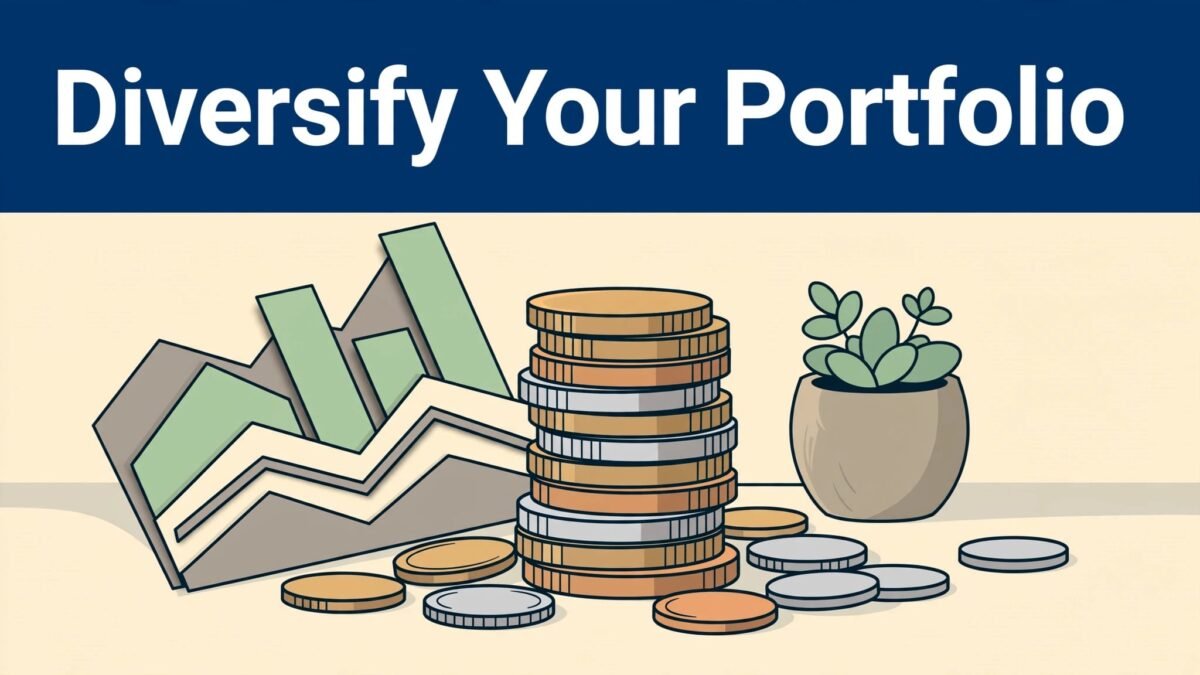
Relying too heavily on one stock, sector, country, or asset type can turn a single setback into a serious portfolio problem. Portfolio diversification spreads your money across investments that may respond differently when markets move.
It can’t eliminate losses or guarantee returns. However, a thoughtful mix can reduce the damage caused by a single company, industry, or market falling out of favor.
Long-term investors can build that mix by setting goals, choosing asset classes, selecting investments, managing risk, and rebalancing over time. Investment rules, taxes, and account choices vary by country, so check the options where you live.
Key Takeaways
- Diversification reduces concentration risk, but broad market declines can still lower the value of many investments at once.
- Your time horizon, need for cash, income stability, debt, and comfort with losses should shape your asset allocation.
- Broad funds can simplify investing, but you still need to check holdings, fees, overlap, liquidity, and tax treatment.
- Rebalancing returns your portfolio to a written target mix. It isn’t a method for predicting market moves.
- A portfolio should be easy enough to understand and monitor without reacting to every headline.
What Portfolio Diversification Really Means for Long-Term Investors
Diversification means spreading investments across assets that don’t always rise and fall together. The U.S. Securities and Exchange Commission’s asset allocation and diversification guidance describes asset allocation as a key part of managing investment risk over time.
For example, a portfolio invested entirely in one company depends heavily on that business’s earnings, leadership, industry, and financing conditions. A portfolio spread among stocks, bonds, cash, and other assets has less exposure to one company, although it can still lose value during a broad downturn.
The Main Types of Investment Diversification
A well-spread portfolio may include different asset classes, industries, company sizes, regions, currencies, and investing styles. Stocks can offer long-term growth potential but often move sharply. Bonds may provide income and stability, yet they still carry interest-rate and credit risk. Cash can cover near-term needs, although inflation can reduce its purchasing power.
Real estate funds, commodities, and other investments may add variety for some investors. International holdings can also widen exposure beyond one home market. Still, overseas investments may bring currency, political, regulatory, and tax risks. The SEC’s beginner’s guide to asset allocation explains why stocks, bonds, and cash play different roles.
How Your Time Horizon and Risk Tolerance Shape Your Mix
Someone saving for a home purchase in two years usually needs easier access to cash than someone investing for retirement three decades away. A longer time frame may allow more room for volatile assets, while a short deadline can make a major market drop harder to absorb.
Risk tolerance includes both your willingness and your ability to handle losses. Before choosing a mix, consider your emergency savings, reliable income, high-interest debt, liquidity needs, and investment goal. A written target allocation makes these tradeoffs clearer.
How to Diversify Your Investment Portfolio With Simple, Broad Investments
Start by choosing a target asset allocation, then select investments that match it. Broad index funds and exchange-traded funds can provide exposure to many companies or bonds through one holding, but their labels alone don’t prove they are diversified.
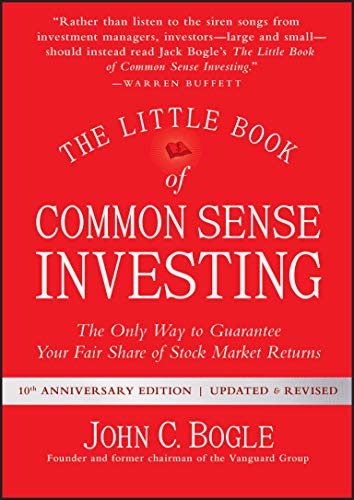
Recommended Reading: The Little Book of Common Sense Investing by John C. Bogle provides an accessible introduction to long-term, low-cost index investing and can help readers better understand the role broad-market funds may play in a diversified portfolio.
When comparing index funds versus ETFs, look past the format. Review the fund’s holdings, fee structure, tracking method, trading costs, liquidity, and tax treatment in your country.
Choose a Core Mix of Stocks, Bonds, and Cash
Stocks often form the growth portion of a long-term portfolio. Bonds can help balance stock volatility and may provide income. Cash supports upcoming expenses and reduces the chance that you must sell investments during a market decline.
No single percentage works for everyone. A written allocation, such as a planned mix of stock funds, bond funds, and cash reserves, gives you a reference point when markets pull your portfolio in different directions.
Add International and Sector Exposure Carefully
Companies outside your home country can expand your investment choices and reduce reliance on one national economy. Broad international funds may offer exposure across regions, though they also bring currency and local-market risks.
Sector funds, single-country funds, and popular themes can narrow a portfolio fast. The same is true when a large share of your savings sits in your employer’s stock. If you buy individual shares, use sensible position sizes and understand the business risks covered in this guide to investing in stocks for beginners.
Use Dividend Stocks as One Part of a Balanced Plan
Dividend payments can provide cash income, but companies can reduce or suspend them. A high dividend yield may also point to financial stress or a falling share price, so yield alone doesn’t show investment quality.
Consider total return, business strength, payout sustainability, and how a dividend stock fits with your other holdings. Readers interested in the mechanics can review dividend investing for beginners, but dividend shares shouldn’t automatically replace a broad portfolio.
How to Put Portfolio Diversification Into Practice and Keep It on Track
Choose the account type available in your country, select investments that fit your written allocation, and make regular contributions when possible. Fees, tax rules, withdrawal restrictions, and employer benefits can change the best account choice.
Automatic contributions can reduce the temptation to wait for the “right” market moment. Still, basic money habits matter first. A beginner’s guide to personal finance can help you assess cash reserves, debt, and spending before taking more investment risk.
A useful review checklist includes:
- Compare each holding with your target allocation and check for duplicate companies across funds.
- Review fund fees, account charges, and any tax consequences of selling.
- Confirm that your emergency fund and near-term spending needs are separate from long-term investments.
- Record changes to your goals, income, retirement date, or planned withdrawals.
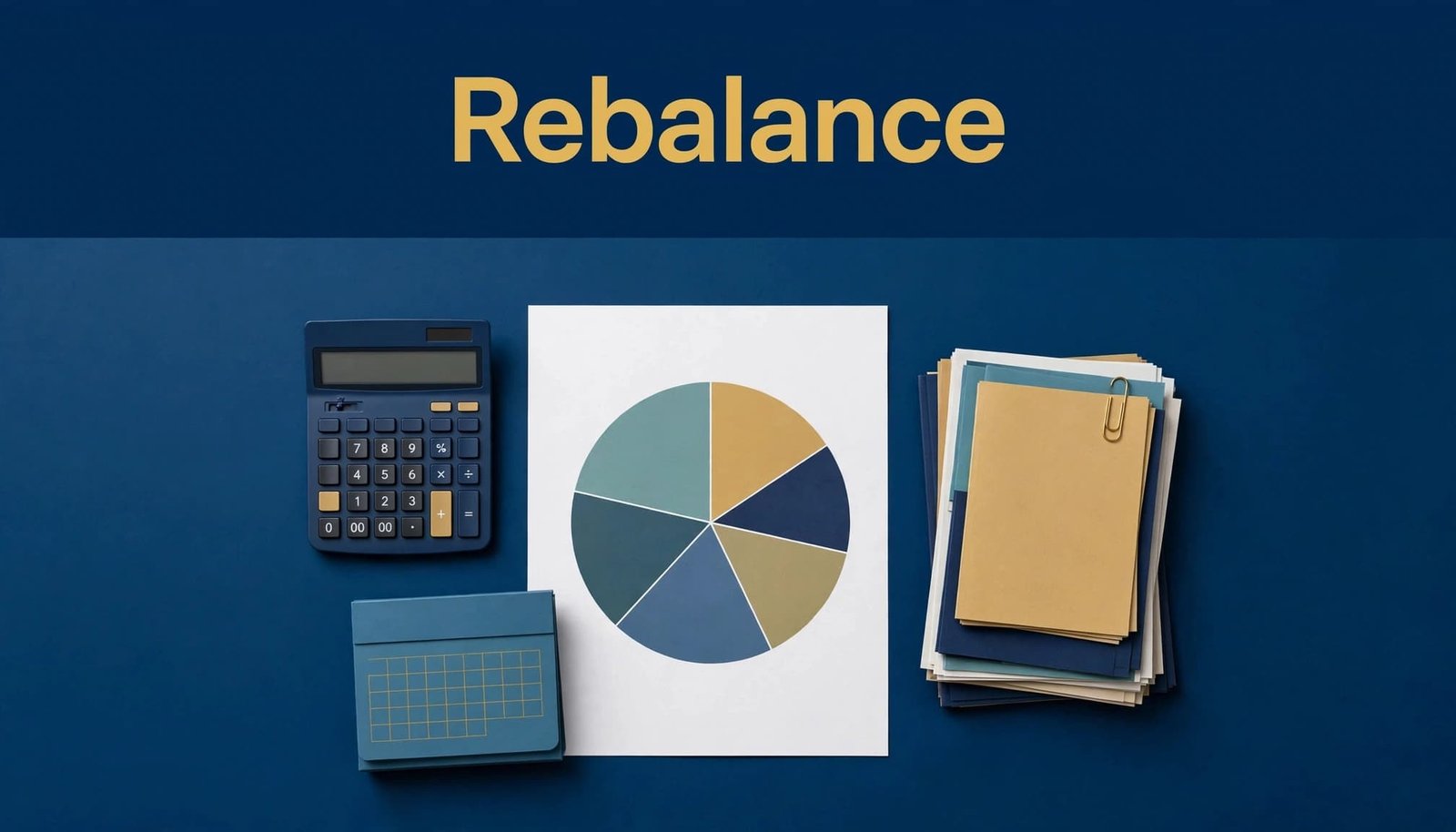
Rebalance Without Turning Investing Into Market Timing
Rebalancing means bringing your portfolio back toward its chosen asset allocation after investments grow at different rates. You can review on a calendar schedule, such as once or twice a year, or act when an asset class moves far enough from its target.

New contributions may let you add to underweight investments without selling. Withdrawals, taxes, transaction costs, and account type can affect the decision. The SEC’s investor bulletin on rebalancing outlines common ways investors restore their intended mix.
Rebalancing manages the level of risk you chose. It does not tell you which asset will perform best next.
Common Diversification Mistakes That Can Weaken a Portfolio
Several funds can still hold many of the same large companies. Check the underlying holdings before assuming a portfolio is broad. Owning too many investments can also create clutter without adding useful variety.
Other problems include chasing recent winners, holding too much employer stock, ignoring bond or cash needs, and treating cryptocurrency or collectibles as a core portfolio holding. Changing a sound plan during a downturn can lock in decisions driven by fear rather than your goals.
Frequently Asked Questions
Can diversification eliminate investment losses?
No. Portfolio diversification can reduce the harm caused by one company, sector, or country performing poorly. However, market-wide events can push many asset classes lower at the same time.
How often should I review a diversified portfolio?
A calendar review once or twice a year may be enough for many long-term investors. Review sooner if your goal, income, time horizon, or planned withdrawals change in a meaningful way.
Is owning several funds enough to be diversified?
Not always. Multiple funds can overlap heavily, especially when they own the same large companies or focus on the same sector. Read the holdings and compare each fund’s actual exposure.
Should beginners invest internationally?
International exposure can add geographic variety, but it also introduces currency, political, regulatory, and tax considerations. A broad fund can be simpler than selecting individual foreign shares, though the right choice depends on your overall plan.
How can I reduce concentration in employer stock?
First, calculate what percentage of your investments, retirement plan, and compensation depend on the same employer. Then consider whether new contributions or gradual changes can reduce that exposure while following your plan’s rules and local tax requirements.
Publishing Details
| Asset | Recommended Copy |
|---|---|
| SEO Title | Portfolio Diversification for Long-Term Investors |
| URL Slug | portfolio-diversification |
| Meta Description | Learn how portfolio diversification can reduce concentration risk through asset allocation, broad investments, rebalancing, and regular reviews. |
| Facebook Title | How to Diversify Your Investment Portfolio |
| Facebook Description | Build a more balanced investment mix by reviewing goals, asset classes, fund overlap, fees, and rebalancing habits. |
| Featured Image Alt Text | Portfolio diversification still life with a globe, coins, bond document, and balance scale. |
| Featured Image Title | Portfolio Diversification Portfolio Mix |
| Featured Image Caption | Portfolio diversification can spread exposure across asset types, regions, and companies. |
| Featured Image Description | A globe, coins, bond document, and balance scale illustrate a diversified investment mix. |
| Article Excerpt | Portfolio diversification helps long-term investors spread risk across asset classes and markets without assuming losses will disappear. |
| Tags and Keywords | portfolio diversification, asset allocation, rebalancing, index funds, ETFs, long-term investing, investment risk |
| Suggested Category | Investing |
| Focus Keyword | portfolio diversification |
Build a Mix You Can Stick With
Effective portfolio diversification starts with your goals, time horizon, risk capacity, and a sensible target allocation. Broad investments can make a portfolio easier to manage, but you still need to check overlap, fees, taxes, and the risks you actually hold.
List your current investments, identify any concentration in one company, sector, or country, and compare the result with a written target allocation. That simple review gives you a practical starting point for a portfolio built around your own needs.
Conclusion: Build a Diversified Portfolio You Can Stick With
Effective portfolio diversification is not about owning as many investments as possible. It is about building a balanced mix in which no single company, sector, market, or asset class has too much influence over your financial future.
Start with your goals, time horizon, liquidity needs, and ability to tolerate losses. From there, choose an appropriate mix of stocks, bonds, cash, and other investments that fit your circumstances. Broad index funds and ETFs can make diversification easier, but you should still examine their holdings, fees, overlap, liquidity, and tax implications. Pasted text
Diversification also requires maintenance. As markets move, some investments will grow faster than others and your portfolio may drift away from its intended allocation. Periodic reviews and rebalancing can help restore the level of risk you originally chose without trying to predict which investment will perform best next. Pasted text
Most importantly, remember that diversification cannot prevent every loss. Its purpose is to reduce unnecessary concentration and make your financial future less dependent on the performance of a single investment.
Review your current holdings, identify where your money may be overly concentrated, and compare your portfolio with your target allocation. A diversified strategy that you understand and can maintain consistently is more useful than a complicated portfolio you cannot confidently manage.