In This Article
A convincing message, polished investment dashboard, or trusted-looking social profile can make cryptocurrency scams feel legitimate. Yet crypto transfers are often difficult or impossible to reverse, so catching warning signs before you send funds matters more than finding a recovery service afterward.
The safest approach is simple: recognize common fraud tactics, check every offer independently, protect your wallet access, and move fast if you already shared money or information.
How to Spot Cryptocurrency Scams Before You Send Money
Before you buy, invest, connect a wallet, or pay someone in crypto, pause long enough to check the offer outside the conversation. One odd detail doesn’t always prove fraud. However, several warning signs together should end the transaction.
Use this short screening process:
- Stop before you send funds, approve a wallet request, or disclose account information.
- Verify the person and company through an independent source, not their message or profile.
- Inspect the website address, payment request, and wallet permissions closely.
- Search the exact name and domain with words such as “scam,” “complaint,” and “regulator warning.”
- Never let a countdown, threat, or promised reward make the decision for you.
New investors should also understand what they are buying before judging an offer. Basic personal finance guidance for beginners can help put investment risk and loss limits in perspective.
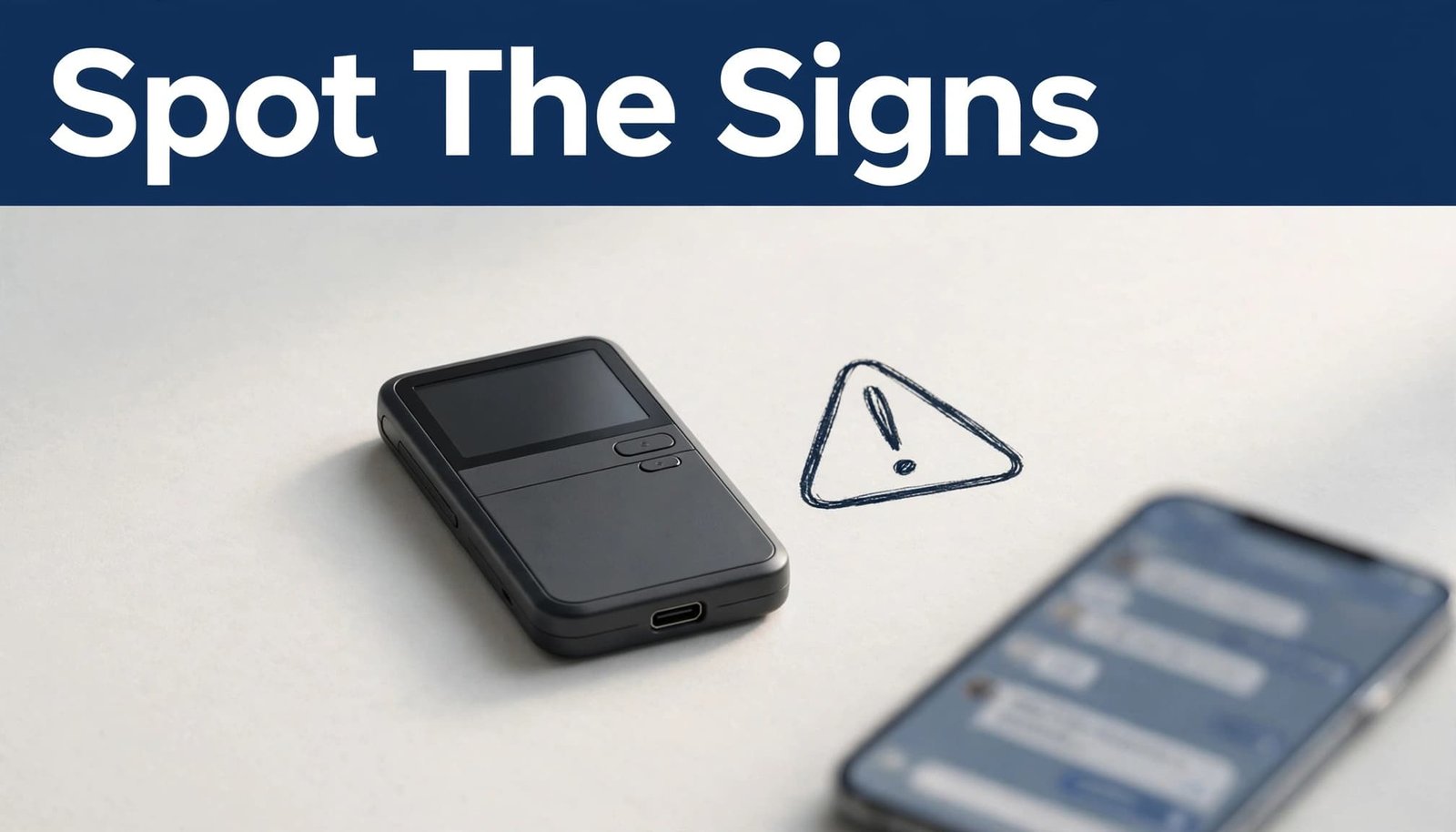
Pausing before a transfer can expose cryptocurrency scams before funds leave your wallet.
Guaranteed profits and urgent deadlines are major red flags
“Guaranteed returns,” “risk-free income,” “double your money,” and “little to no risk” are fraud signals, not investment analysis. Every legitimate investment can lose value, and no honest provider can promise a profit.
Scammers also create panic. They may claim a private sale ends in 10 minutes, a bonus disappears today, or your account will close unless you act. Step away, save the message, and ask someone you trust to review it. A real opportunity can survive a day of independent research.
Protect your seed phrase, password, and one-time codes
No legitimate exchange, wallet provider, support agent, or airdrop needs your seed phrase or private key. Anyone with that phrase can control the wallet and move its assets.
Fraudsters may instead ask for a password, two-factor authentication code, or one-time passcode through a fake support chat. Don’t use links, phone numbers, or QR codes sent by a stranger. Open the official app yourself or type a bookmarked website address to reach support.
A seed phrase is not an account-verification tool. It is the master key to the wallet.
The Cryptocurrency Scams Most Likely to Target Beginners
Fraud often starts with a small, familiar interaction. A stranger sends a friendly message, a social post advertises a giveaway, or a fake support agent responds to a public complaint. Then the scammer tries to get a payment, a wallet approval, or account credentials.
Fake investment platforms and trading apps
A fraudulent trading site can show an account balance, gains, and smooth-looking charts even when no real investment exists. When you try to withdraw, the operator may demand a fee, tax payment, insurance deposit, or larger transfer to “unlock” your balance.
Check for a real legal company name, working contact details, clear withdrawal terms, and registration records with the relevant regulator. The SEC’s 2024 enforcement action against relationship investment scam operators involved fake crypto-asset trading platforms, including NanoBit and CoinW6. An unfamiliar app isn’t automatically fraudulent, but a dashboard alone never proves your funds are real.
Romance, friendship, and social media investment scams
A romance or friendship scam may take days or weeks to develop. The person seems attentive, shares polished success stories, and later introduces a private trading method or asks you to send crypto.
Treat any online contact who wants to manage your money, teach secret investment methods, or receive funds as a serious warning sign. Never send crypto to someone you haven’t met and independently verified. A convincing profile, video call, or daily message history doesn’t establish a real identity.
Impersonation, phishing, and fake giveaways
Scammers copy exchange logos, executive names, celebrity accounts, government agencies, and customer-support profiles. Their messages may lead to a cloned website with a nearly identical domain name.
Giveaway and airdrop traps often ask you to connect a wallet, approve a transaction, or provide a seed phrase to claim tokens. Instead, verify announcements through the official app or a website you reach independently. Never trust a link because it arrived in a direct message.
How to Verify a Crypto Offer Without Taking Extra Risks
Research should start away from the person pitching the offer. Their links, documents, and phone numbers may all point back to the same fake operation.
Check the person, company, platform, and wallet address
Search the exact company name and domain along with terms such as “complaint,” “scam,” or “regulator warning.” Search results can be manipulated, so also check Investor.gov and your local financial regulator’s public records.
Match registration details to the business name, website, address, and contact information you found independently. You can examine a wallet address’s public transaction history with a blockchain explorer. Still, a clean-looking address doesn’t prove who owns it or whether they are trustworthy.
Review the payment request before approving it
Crypto transfers and blockchain approvals deserve slow, deliberate review. Confirm the asset, network, recipient address, amount, and destination before you approve anything.
A small test transfer can reduce a typo risk only after you have independently verified the recipient and service. It cannot turn a scam into a safe transaction. Scammers often accept a small first payment, then use it to build trust before seeking a much larger amount.
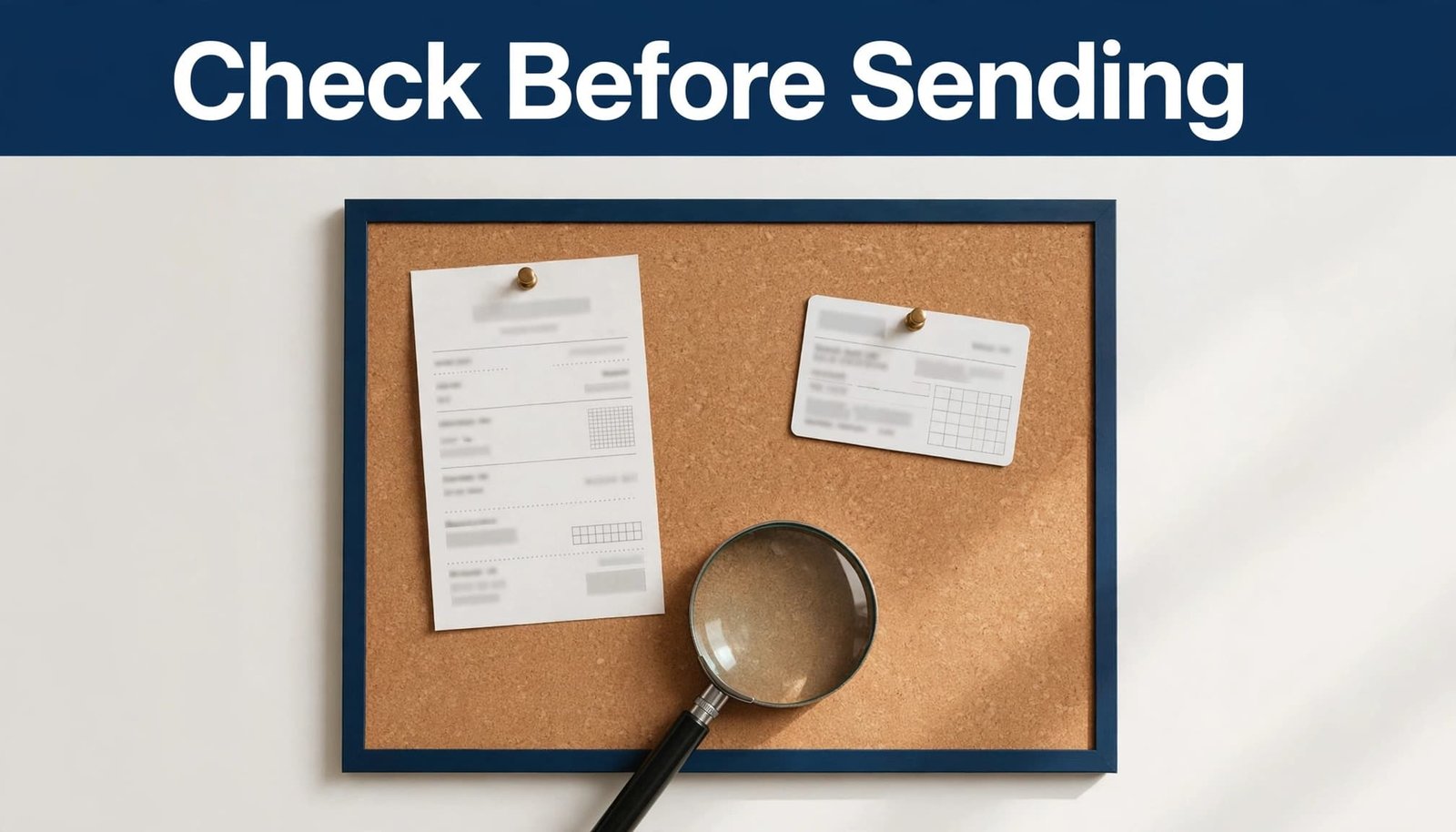
Verify the company, domain, and payment details before approving a crypto transfer.
Know what legitimate services will and will not promise
Legitimate providers explain fees, risks, eligibility rules, and withdrawal procedures in plain language. They don’t hide behind secret systems, vague insurance promises, or confusing explanations that prevent basic questions.
They also don’t need threats, secrecy, or access to your seed phrase. Rules and consumer protections vary by country, exchange, and product, so read your provider’s terms and consult your own regulator before depositing money.
Build Safer Habits Around Your Wallet
Good security habits create a buffer between an unexpected message and an expensive mistake. They also make it easier to identify a fake request because your normal process stays consistent.
Use separate paths for support and account access
Bookmark the official websites and support pages for your exchange and wallet provider. Then use those bookmarks instead of search ads or links in messages. Search ads can lead to impostor websites, especially after a user posts publicly about an account problem.
Turn on two-factor authentication with an authenticator app where available. Use a unique password for each financial account, and don’t reuse an exchange password for email or social media.
Limit what a connected wallet can do
Connecting a wallet to an unfamiliar site can expose you to risky transaction approvals. Review every permission request and reject approvals you don’t understand.
If you use decentralized applications, review and revoke permissions you no longer need through a trusted wallet-security tool or the wallet’s official settings. Keep long-term holdings in a wallet you don’t connect casually to new sites.
What to Do If You Sent Crypto to a Scammer
Act quickly, but don’t panic. Do not send more money to unlock a withdrawal, pay a fake tax bill, satisfy an “investigator,” or hire someone promising guaranteed recovery.
Recovery isn’t guaranteed. However, quick action can protect remaining accounts, preserve evidence, and give an exchange or law-enforcement agency useful information.
Secure accounts and wallets right away
Stop all contact with the scammer. Change passwords from a device you trust, beginning with your email account and then your exchange accounts. Contact the exchange or wallet provider through its official channels.
Revoke suspicious wallet permissions where possible. If you shared a seed phrase or private key, treat that wallet as compromised and move any remaining assets to a newly created secure wallet. Never move funds using instructions from the person who contacted you.
Be wary of follow-up recovery scams. Criminals often target victims again, offering to retrieve funds for an upfront crypto payment.
Report the scam and preserve useful evidence
Save wallet addresses, transaction IDs or hashes, dates, times, amounts, asset types, usernames, emails, phone numbers, website domains, screenshots, and chat records. Don’t alter the original messages.
US readers can file a report through the FTC’s fraud reporting portal and submit a complaint to the FBI’s Internet Crime Complaint Center. Report investment fraud to the SEC and relevant digital-asset complaints through the CFTC complaint process. Also notify the exchange that sent the funds.
The SEC has continued to pursue fake-platform schemes, as shown in its 2024 enforcement results. Outside the US, contact your national financial regulator, police service, and cybercrime reporting channel.
A Pause Can Protect Your Crypto
The safest response to an unexpected crypto opportunity is a pause, independent verification, and complete refusal to share private wallet information. Guaranteed returns, urgency, unsolicited contact, romance-based trust, fake platforms, suspicious links, and requests for seed phrases or login codes are all common signs of cryptocurrency scams.
Save official exchange support and fraud-reporting links now, before a suspicious message appears. That small preparation can keep a convincing pitch from becoming an irreversible loss.