In This Article
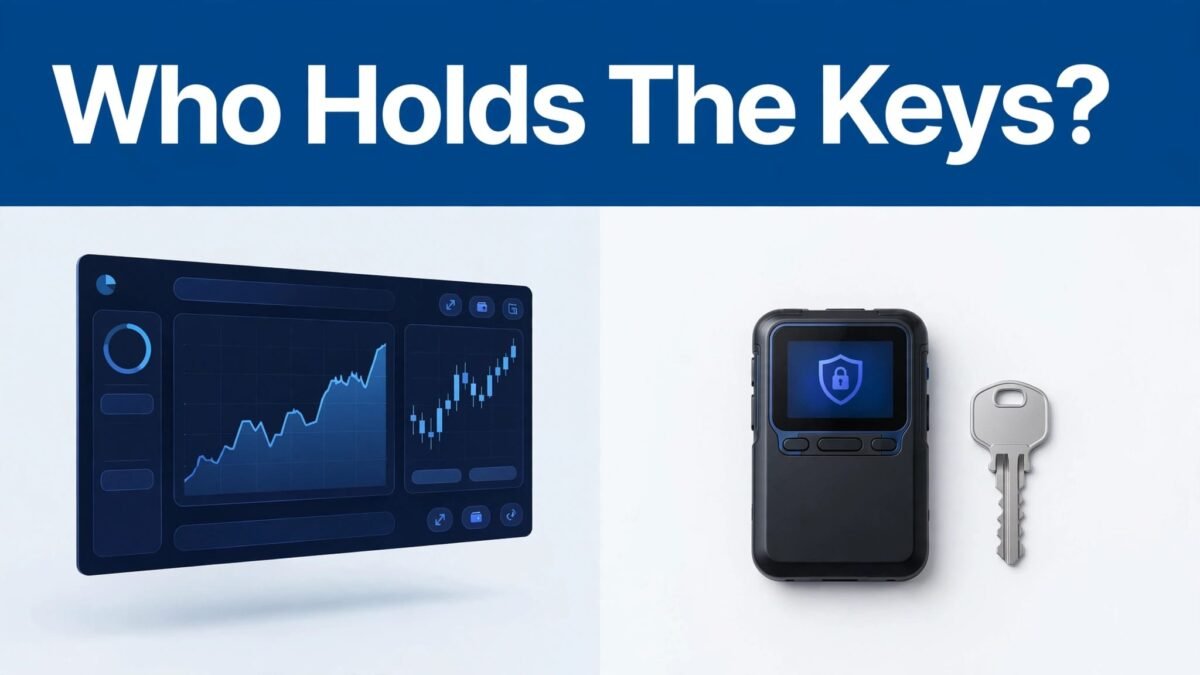
An exchange and a wallet can both help you access crypto, but they do different jobs. If you’re comparing crypto exchange vs. wallet, the distinction is simple: an exchange lets you buy, sell, or trade, while a wallet manages the keys used to control crypto.
That difference matters when you need to recover access, pay fees, or send funds. Before choosing where to keep crypto, look at who holds the keys, what each transaction costs, and which security tasks you’ll handle yourself.
Key takeaways
- An exchange account makes trading convenient, but the provider often controls the private keys associated with your holdings.
- A self-custody wallet puts key control in your hands. Losing access to those keys can mean losing access to the crypto.
- Trading fees, withdrawal charges, and blockchain network fees are different costs. Check each one before moving funds.
Crypto exchange vs. wallet: what does each one do?
Crypto is recorded on a blockchain, a shared record of transactions. An exchange account or wallet gives you a way to interact with it, but neither stores coins like a physical wallet stores cash.
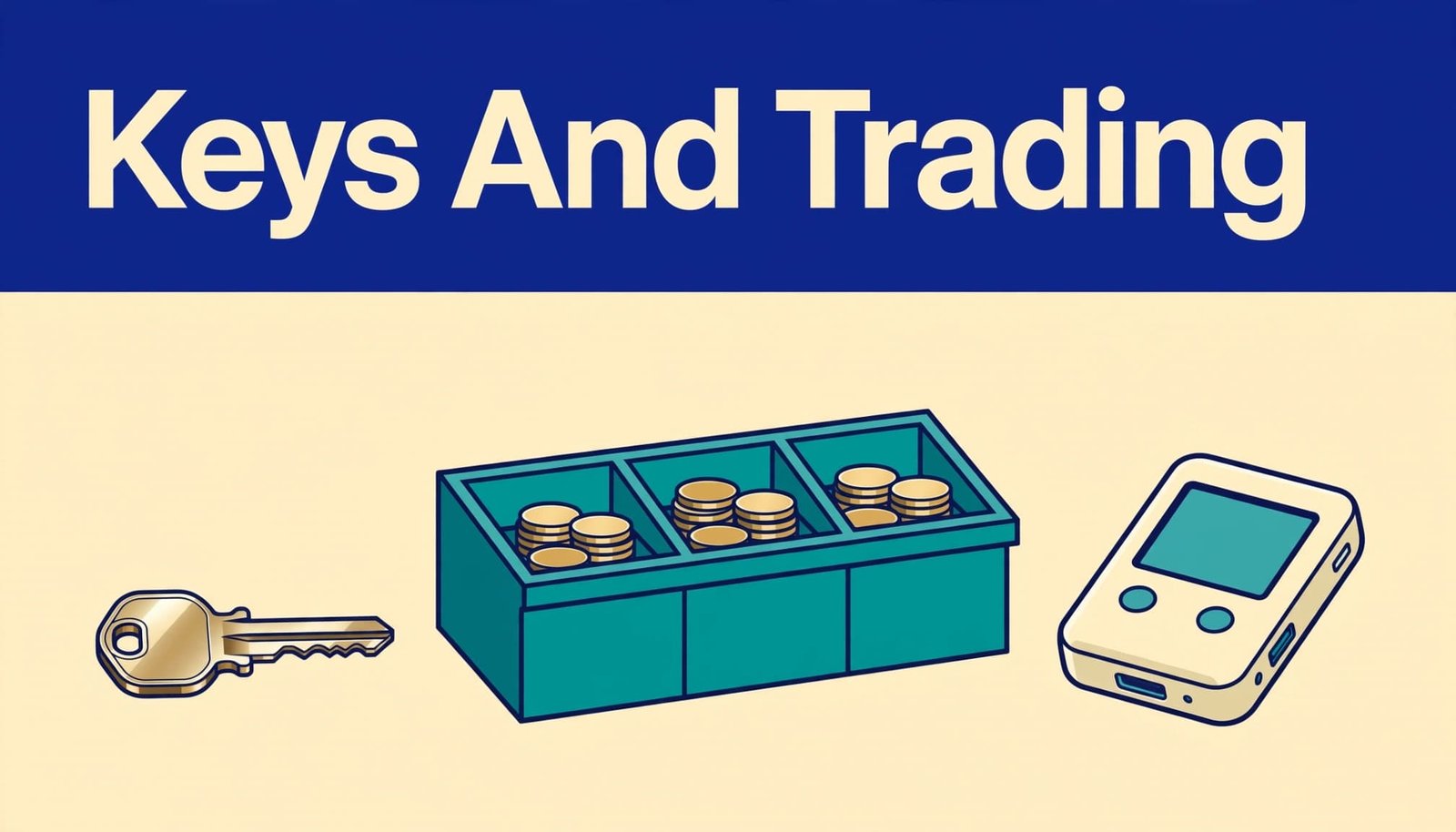
Crypto exchange vs. wallet comes down to trading access and control of the keys.
An exchange helps you buy, sell, and trade.
A crypto exchange is a service where you can typically buy crypto with traditional currency, sell it, or trade one asset for another. Its account screen shows your balance and transaction history, much like an investment app.
Many exchanges also provide custodial wallet features. If you leave crypto in your exchange account, the provider generally manages the private keys needed to move it on the blockchain. You sign in and request transactions; the exchange handles the key operations behind the scenes.
That can spare you some technical work. It also means your access depends on the provider’s systems, policies, and ability to process withdrawals.
A wallet gives you a way to manage access to crypto.
A private key is secret information that authorizes transactions. Wallet software or hardware helps manage keys and lets you view balances, receive assets, and send them to supported addresses.
The word “wallet” doesn’t automatically tell you who controls the keys. With a custodial wallet, a provider manages them. With a self-custody wallet, you do. Many self-custody wallets provide a recovery phrase, a sequence of words that can restore access if your device is lost. Someone who obtains that phrase may be able to take your crypto.
A wallet app can offer buying or swapping features, but those services may come from another provider. Check who performs the trade and who controls the keys after it settles.
How custody changes your risks
The custody question is practical: who can authorize a transfer if something goes wrong? Neither an exchange account nor self-custody removes risk. They place different responsibilities on you and on a provider.
Risks when a provider holds the keys
An exchange may restrict an account, pause withdrawals, suffer a security breach, or fail as a business. Even if your account shows a balance, you may need the provider’s cooperation to withdraw it. Account security still matters, since someone who gets into your account could attempt an unauthorized transaction.
Before depositing, read how the provider holds customer assets and what happens during a withdrawal pause. Protections and legal claims vary by provider, asset, and country. Don’t assume an exchange balance has the same protections as a bank deposit.
Risks when you hold the keys
Self-custody removes the need for an exchange to approve an ordinary wallet transfer. In return, you’re responsible for protecting the device, private keys, and any recovery phrase.
Phishing can trick you into revealing a phrase or approving a malicious transaction. Malware can interfere with a transfer. A lost backup can leave you unable to restore a damaged or missing wallet. The SEC’s guide to crypto asset custody warns that losing or compromising a self-custody wallet may permanently cut off access.
Keep recovery information private and separate from the device it protects. A legitimate support agent should never need your recovery phrase to fix an account problem.
Compare trading fees with transfer costs.
The amount you pay depends on what you’re doing. Buying on an exchange, withdrawing to a wallet, and later sending crypto can each produce a different charge.
Buying and selling on an exchange
An exchange may charge a stated trading fee. It may also build a spread into the quoted price, meaning the buying price is higher than the selling price at that moment. A simple purchase screen can therefore cost more than its advertised fee suggests.
Check the final amount of crypto you’ll receive, not only the displayed fee. If you plan to move it afterward, review withdrawal charges and minimum withdrawal amounts before buying. A small purchase may be impractical to transfer if those costs consume too much of it.
Sending crypto from a wallet
Using wallet software doesn’t necessarily require an ongoing service fee. Sending crypto on-chain, however, usually requires a network fee paid to support transaction processing. That fee can change with the network and its activity.
Wallet features such as swaps or purchases may carry separate provider charges. A hardware wallet also has an upfront purchase cost. When comparing crypto exchange vs. wallet costs, price the whole route you intend to take: purchase, withdrawal, and any later on-chain transfer.
Which option fits your crypto plans?
Start with your behavior, not a claim that one setup is universally safer. How often will you trade? How much control do you want? And can you protect and recover private keys without relying on someone else?
When an exchange account may be more convenient
An exchange may fit if you buy or sell often and want balances, trading tools, and transaction history in one account. It can also be simpler if you’re not ready to manage a recovery phrase.
Convenience still calls for scrutiny. Review the provider’s custody practices, withdrawal rules, security controls, and full fee schedule. Check which assets and networks it supports, especially if you expect to withdraw later. Features and access can vary by country, so confirm the terms that apply to your account.
When self-custody may make sense
Self-custody may fit if you want direct control over transactions and are prepared to manage backups. A software wallet runs on a phone or computer. A hardware wallet keeps key operations on a dedicated device, though you still need to protect its recovery information and verify transactions.
Neither format protects you from approving a fraudulent transfer. Before moving significant funds, make sure you understand how to restore your wallet, where your backup is stored, and what you’ll do if a device fails. If those steps feel uncertain, take time to learn them before withdrawing.
How to move crypto without avoidable mistakes
A transfer can look routine until an address or network is wrong. Blockchain transactions may be hard or impossible to reverse, and the receiving service may not be able to recover assets sent through an unsupported route.
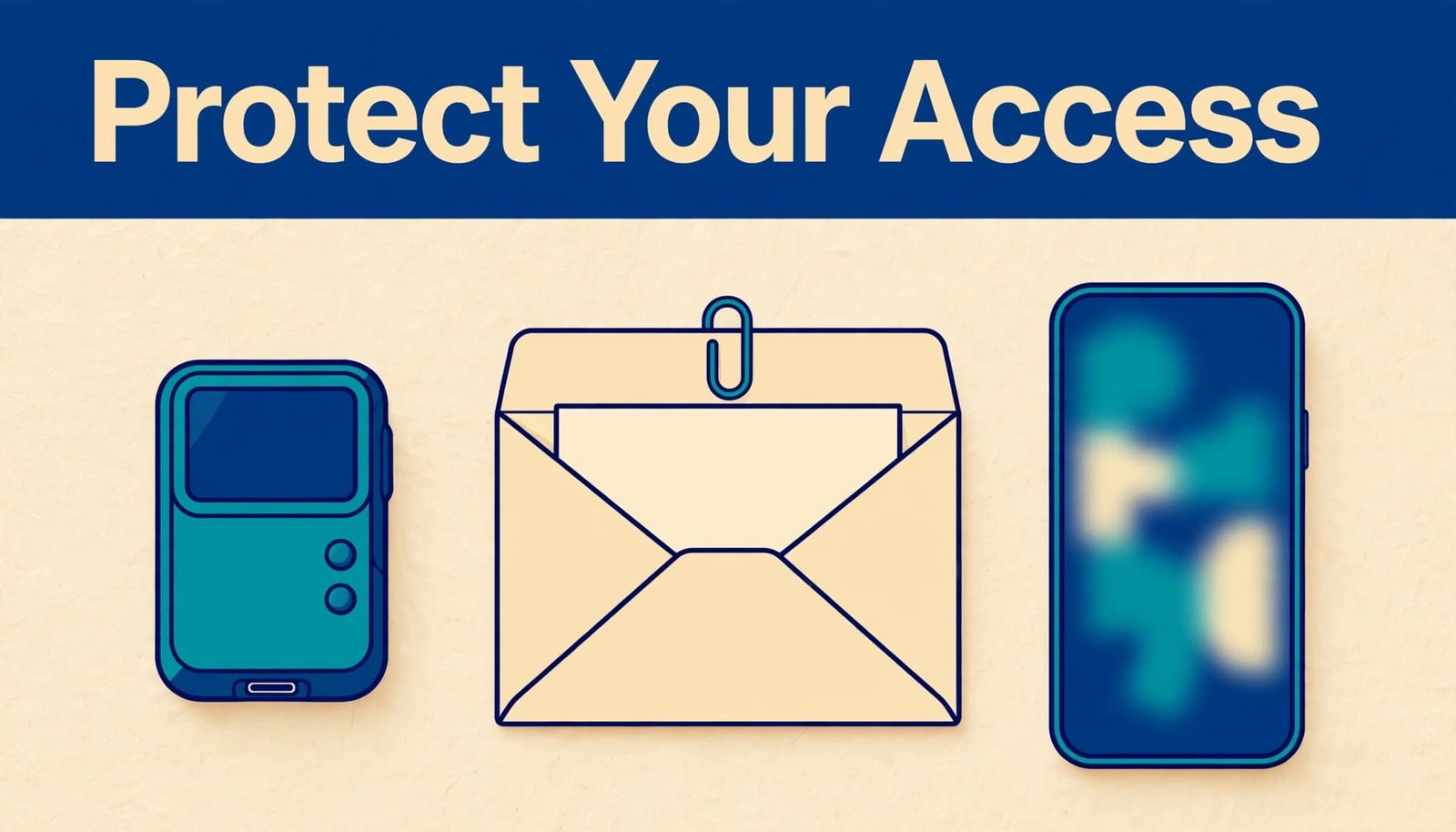
Check the destination before sending.
Use the receiving wallet or service to obtain a fresh deposit address. Then check these details against the withdrawal screen:
- Confirm the asset and network match at both ends.
- Verify the full destination address, especially after pasting it.
- Check that the receiving wallet or service supports that asset on that network.
- Consider a small test transfer when the amount and fees make it practical.
- Never share a seed or recovery phrase to complete a transfer.
A copied address can be replaced by malware, so glance-checking its first characters isn’t enough. Some assets also require extra deposit details supplied by the receiving service. Follow its instructions rather than assuming an address alone is sufficient.
Review the transaction one last time.
Look at the asset, network, address, amount, and total fee together before you confirm. A successful small test shows that a route worked once; it doesn’t replace checking the next transfer.
Be suspicious of urgent messages telling you to “verify” a wallet or move funds to a new address. Never enter a recovery phrase into a website reached through an unsolicited link. Pressure to act quickly is a reason to stop and check through the provider’s official channels.
Check the provider’s terms before deciding.
An exchange and a wallet aren’t necessarily an either-or choice. Someone might use an exchange to trade and a self-custody wallet to hold assets they don’t intend to trade soon. Others may prefer to keep their holdings with a custodian. Either approach creates responsibilities.
For an exchange, find the answers to concrete questions: Can you withdraw the asset you plan to buy? Which networks are available? Are there withdrawal limits or waiting periods? What account protections can you turn on? The answers matter more than a broad claim about security.
For a self-custody wallet, check asset and network support, the recovery process, and how fees appear before you approve a send. Make sure you can distinguish an address you control from one supplied by a third party. Also consider how you’ll keep a backup accessible to you but hidden from anyone who shouldn’t have it.
Finally, check the rules where you live. Provider availability, consumer protections, and tax treatment differ across countries. General explanations of custody can’t replace the terms governing your account or professional advice about your circumstances.
Conclusion
The crypto exchange vs. wallet decision starts with two jobs: exchanges provide access to trading, while wallets manage the keys that control crypto. An exchange may hold those keys for you; self-custody makes you responsible for them.
Choose based on convenience, control, costs, and your ability to manage security. Before acting, check the provider’s terms and every transfer detail.