In This Article
A credit report dispute helps you correct inaccurate information on your credit report. You do not need a lawyer or a paid credit repair firm to challenge incorrect details. You need a clear dispute letter, supporting evidence, and patience with the investigation timeline. This guide explains how to dispute credit report errors, contact credit bureaus and creditors, and protect your consumer rights.

Preparing Documentation Before a Credit Dispute
This guide covers what to dispute, who to send it to, what to include, how long the process takes, and what to do at each possible outcome.
If you are not yet sure what you are looking at, how-to-read-your-credit-report-section-by-section walks through the document first.
Before Starting a Credit Report Dispute
Disputes work best when they are specific and accurate. Before writing anything, gather your own records and confirm the item is genuinely incorrect. Disputing something accurate wastes a cycle and can complicate later corrections.
Gather these before you start:
- A copy of the credit report with the disputed item circled or highlighted.
- Bank or card statements covering the period in question.
- Any correspondence with the creditor about the account.
- For identity theft, a police report or an FTC identity theft report where relevant, plus proof of your identity.
Keep originals. Send copies only, and keep a copy of everything you send, including the envelope details and the date posted.

Gathering Evidence for a Credit Report Dispute
Two Ways to File a Credit Report Dispute
There are two routes, and they are not mutually exclusive. Which you choose depends on what is wrong.
Track 1: Dispute With the Credit Bureau
The bureau is the company that produced the report. Under the Fair Credit Reporting Act, you have the right to dispute information you believe is inaccurate, and the bureau must investigate and correct or delete anything it cannot verify.
Send a written dispute to each bureau that shows the error, because they do not share dispute outcomes with one another. A written letter with copies of evidence creates a paper trail; the online forms are faster but less documented.
The Federal Trade Commission publishes guidance on credit reports, including your dispute rights.
Track 2: Dispute Directly With the Creditor
For anything involving how an account was serviced, such as a payment wrongly reported late, the furnisher of the information is often the quicker fix. Contact the creditor’s credit reporting or customer resolution department in writing, and ask them to correct what they reported to the bureaus. A creditor correction usually flows through to all the bureaus at once.
A sensible strategy for most people: send the creditor dispute and the bureau disputes together, and let both run.
What to Include in Your Credit Dispute Letter
Include each of these, in plain language:
- Your full name, current address, date of birth, and the account or report number concerned.
- Identification: a copy of a government-issued ID and proof of address.
- The specific item disputed, quoted from the report: creditor name, account number as shown, and the amount or status in dispute.
- A clear statement of what is wrong and what the correct information is.
- A request that the item be corrected or deleted, and that you be notified of the outcome.
- Copies of supporting documents, with a note that originals are retained.
- Your signature and the date.
Keep it to one page where possible, and keep the tone factual. Emotional language does not help and can obscure the substance.
Credit Report Dispute Timeline
Bureaus are required to investigate disputes within a set statutory window, generally around thirty days, with a limited extension for additional information. In practice, straightforward errors often resolve faster, while disputes requiring the creditor to respond can run the full period.
Send it by a method that proves delivery, and diarize the date you sent it. If the window passes with no response, that is grounds for a follow-up and eventually for a complaint to the appropriate regulator. If the window passes without a response, you can submit a complaint to the Consumer Financial Protection Bureau.
Credit Report Dispute Outcomes and Next Steps
- Outcome 1: Your dispute succeeds. The item is corrected or deleted from your report. Keep the confirmation letter with your records.
- Outcome 2: The dispute is rejected. The bureau says it verified the item. Ask for the method of verification, and consider escalating to the creditor directly. You may also add a short statement of dispute to your report, which lenders can see.
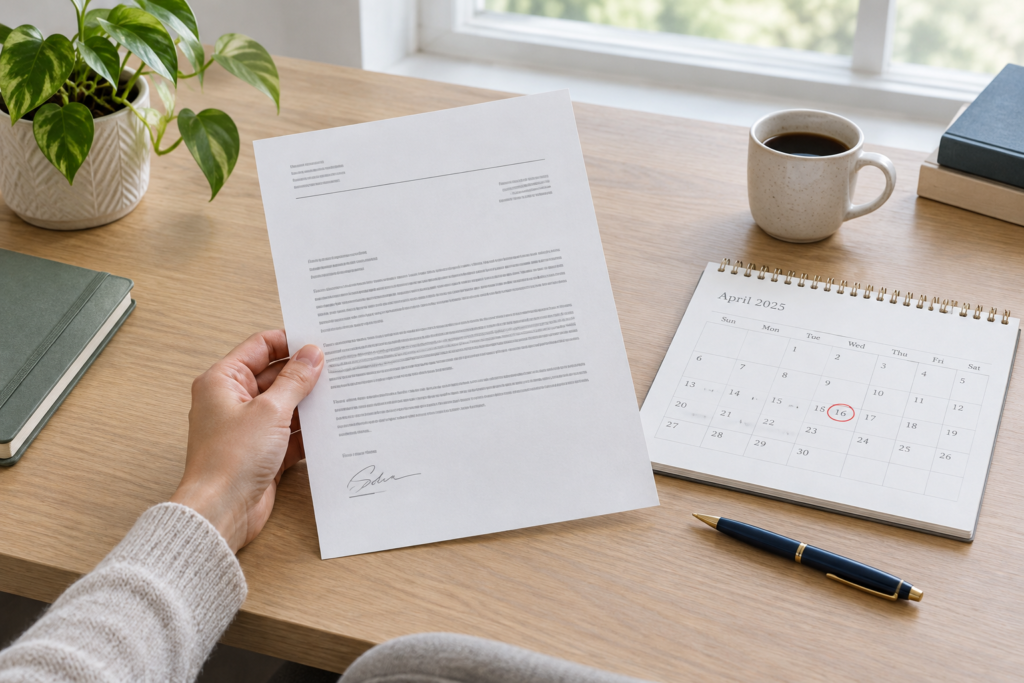
Reviewing the Outcome of a Credit Report Dispute
- Outcome 3: Partial success. Some items are disputed successfully; others are not. This is normal and not a failure of the process.
- Outcome 4: Nothing changes for now. A corrected report can change your score, sometimes quickly. Recheck it after the correction appears.
- If the correction is part of a larger plan, our guide to your credit score and mortgage application explains how lenders read the result.
What Not to Do When Disputing Your Credit Report
- Do not pay a credit repair firm. No legitimate dispute requires payment up front. If you need help, look for nonprofit credit counseling.
- Do not dispute everything on the report. A dispute must be based on inaccuracy. Disputing accurate information can be flagged and dismissed.
- Do not assume you need an intermediary. It is a statutory right. Doing it yourself keeps control of the paper trail.
- Do not skip the written record. Paper is not slower in any way that matters, and it is evidence.
Conclusion: How to Dispute Incorrect Information on Your Credit Report
How to dispute incorrect information on your credit report is a process, not a grievance. Confirm the error, assemble your evidence, write a short factual letter, send it to each bureau and the creditor, and diarize the response window. Most disputes resolve in a single cycle. The ones that do not usually resolve on a second, better-documented attempt. Either way, the record ends up more accurate than it was, and that is worth the paperwork.